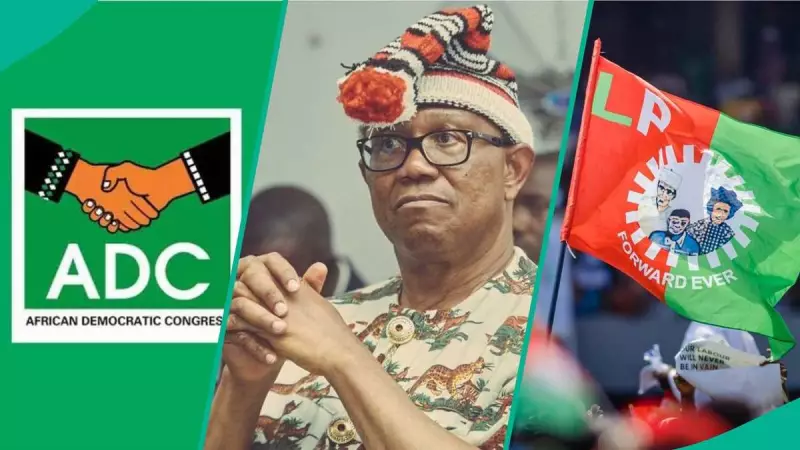
Obi's Camp Outlines 2027 Presidential Pathway After Labour Party Leadership Shakeup
A key associate of former presidential candidate Peter Obi has addressed speculation about a potential return to the Labour Party following a significant court ruling that removed Julius Abure as the party's national chairman. Dr. Yunusa Tanko, who serves as the Co-ordinator of the Obidient Movement Worldwide, clarified that while the Labour Party remains an option, the primary focus is on building a broad coalition to secure victory in the 2027 presidential election.
Court Affirms New Leadership Structure for Labour Party
The Federal High Court in Abuja, presided over by Justice Peter Lifu, delivered a landmark judgment on Wednesday, January 21, 2026. The court declared that Julius Abure's tenure as Labour Party chairman had expired and recognized Senator Nenadi Usman-led Caretaker Committee as the legitimate authority representing the party. This decision was based on the Supreme Court's verdict from April 4, 2025, which had previously validated Senator Usman's leadership position.
Justice Lifu emphasized that the establishment of the Caretaker Committee was necessary following the Supreme Court's directive. The court further ordered the Independent National Electoral Commission (INEC) to immediately recognize this committee as the only valid representative of the Labour Party until a national convention is convened. This ruling has sparked widespread discussion about potential political realignments ahead of the 2027 general elections.
Strategic Considerations for 2027 Presidential Bid
In an exclusive interview, Dr. Yunusa Tanko explained that Peter Obi's team is evaluating multiple political pathways rather than focusing solely on returning to the Labour Party. "Our target for the 2027 presidential election is for Peter Obi to win, and we need to identify the most effective pathway to achieve this victory," Tanko stated. He emphasized that the decision-making process involves careful consideration of various political platforms and their potential to deliver electoral success.
The strategy involves exploring coalition possibilities with several political parties, including the Labour Party, Peoples Democratic Party (PDP), African Peoples Party (APP), and Social Democratic Party (SDP). Tanko noted that when these parties come together, they will assess which platform offers the best combination of factors such as logo recognition, grassroots appeal, and organizational structure to maximize chances of winning the presidency.
Analyst Perspectives on Political Dynamics
Political analyst Jide Ojo has suggested that Peter Obi might consider leaving the African Democratic Congress (ADC) if he fails to secure the party's presidential ticket for 2027. Ojo pointed out that indirect primaries could potentially favor other prominent politicians like former vice-president Atiku Abubakar, who possesses established political structures and support networks. Despite this possibility, Ojo acknowledged Obi's significant impact on the opposition landscape since joining the ADC, including attracting lawmakers and increasing the party's visibility.
The court's decision to remove Abure and affirm new leadership has created renewed interest in the Labour Party's future direction. Many political observers are watching closely to see how these developments will influence opposition coalition building and candidate selection processes as the 2027 elections approach.
Dr. Tanko concluded by reiterating that the ultimate goal remains securing victory for Peter Obi in the 2027 presidential election, with all decisions being made strategically to achieve this objective. The political landscape continues to evolve as parties and candidates position themselves for what promises to be a highly competitive electoral contest.