Peter Obi Raises Alarm Over Arrest of Kaduna Cleric Following Meeting
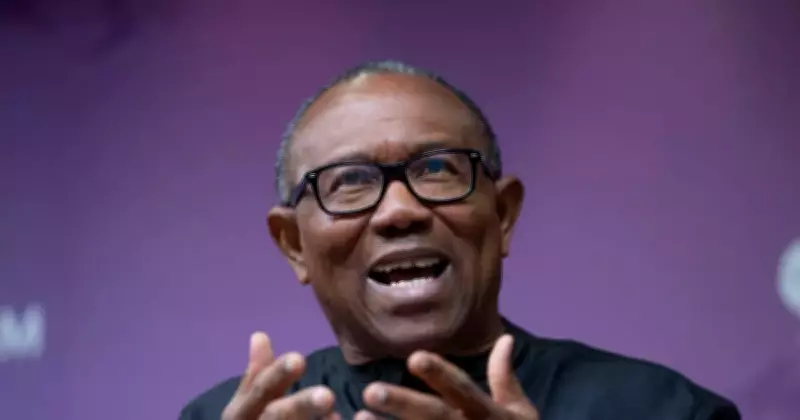
Former Labour Party presidential candidate Peter Obi has issued a strong warning about what he describes as a dangerous pattern emerging in Nigeria's political landscape. The alarm comes following the reported arrest of prominent Kaduna-based Islamic cleric Sheikh Ahmad Tijjani Umar, which occurred shortly after the religious leader hosted Obi during a visit to Kaduna State.
"Troubling Development" in Democratic Space
In a statement shared across his social media platforms, Obi revealed that he learned about the cleric's arrest early Monday morning, just hours after their Sunday meeting. The former Anambra State governor characterized the incident as "symptomatic of a growing pattern of intimidation and suppression" that threatens Nigeria's democratic foundations.
"I have just been made aware early this morning that revered religious leader, Sheikh Ahmad Tijjani Umar has been arrested by authorities shortly after hosting me in Kaduna on Sunday," Obi wrote in his social media post, adding that such developments must be "nipped in the bud."
Warning About Erosion of Democratic Principles
The opposition politician expressed grave concern that Nigeria's democratic space is becoming increasingly constrained. "Freedom of speech and movement is increasingly threatened," Obi stated, emphasizing that citizens and perceived political opponents now face systematic harassment and persecution.
Obi stressed that healthy democratic societies depend fundamentally on the protection of civil liberties, including:
- The right to associate freely without fear of reprisal
- The freedom to express dissenting political opinions
- Protection from politically motivated actions by authorities
- Adherence to rule of law by all government institutions
"This cannot be allowed to continue," Obi declared, calling on those in positions of power to respect democratic principles and avoid actions that could further destabilize Nigeria's already fragile political environment.
Background on the Religious Leader
Sheikh Ahmad Tijjani Umar is widely recognized across northern Nigeria as an influential religious figure who has frequently commented on governance issues and youth engagement. The cleric has previously advocated for greater governmental accountability and increased citizen participation in national development processes.
His prominence within both religious and civic circles has made the reported arrest particularly sensitive, raising concerns about potential implications for religious freedom and political expression in Nigeria's complex socio-political landscape.
Official Response and Public Reaction
As of Monday morning, security agencies had not issued any official statement confirming the arrest or providing details about the circumstances surrounding the incident. Independent verification of Obi's claims remains limited, leaving unanswered questions about the legality and specific reasons behind the alleged action.
The development has already begun generating significant reactions across social media platforms, with many Nigerians expressing concern about shrinking civic space and potential political targeting. Political analysts warn that incidents involving religious figures and opposition politicians often carry broader consequences for national cohesion, particularly in regions with delicate inter-community relations.
Calls for Transparency and Accountability
Observers emphasize that the situation underscores the urgent need for transparency from authorities to clarify the facts and reassure the public. Without clear communication from official channels, such incidents risk fueling speculation, deepening public mistrust, and heightening existing political tensions.
Attention now focuses on whether government officials will respond to Obi's allegations and provide clarity about the reported arrest. Meanwhile, calls continue to grow louder for accountability and strict adherence to democratic norms in Nigeria's political processes.
The incident occurs against a backdrop of increasing concerns about political freedom in Nigeria, with various civil society organizations and international observers previously noting worrying trends in the treatment of opposition figures and critics of government policies.