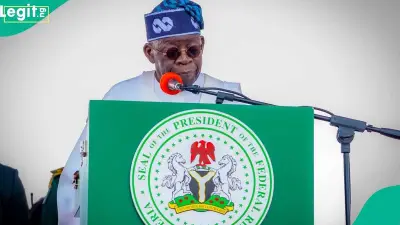
Presidency Provides Explanation for IGP Egbetokun's Resignation, Citing Family Concerns
The Presidency has officially confirmed the resignation of Kayode Egbetokun from his position as the Inspector-General of Police, with family issues cited as the primary reason for his departure. This development follows reports of a meeting between Egbetokun and President Bola Ahmed Tinubu, where sources indicate the resignation was requested.
Official Statement from the Presidency
Bayo Onanuga, the Special Adviser to the President on Information and Strategy, addressed media inquiries on Tuesday, February 24, 2026, confirming Egbetokun's resignation. Onanuga stated that the IGP submitted a resignation letter on that day, explicitly mentioning family matters that demand his full attention. This official explanation aims to clarify the circumstances surrounding the sudden exit of Nigeria's top police officer.
Reports of Presidential Involvement in the Resignation
Despite the official narrative, multiple sources within the Presidency have provided additional context, suggesting that Egbetokun was asked to resign during a meeting with President Tinubu. The meeting took place at the Presidential Villa in Abuja on the evening of Monday, February 23, 2026. A highly placed official, speaking anonymously due to the sensitivity of the issue, revealed that it was during this encounter that Egbetokun was instructed to step down.
This revelation adds a layer of complexity to the resignation, indicating potential underlying factors beyond the publicly stated family reasons. The timing of the meeting, just one day before the official confirmation, raises questions about the sequence of events and the true motivations behind the IGP's departure.
Background and Implications of the Resignation
Kayode Egbetokun's tenure as Inspector-General of Police has been marked by various challenges and reforms within the Nigeria Police Force. His resignation comes at a critical juncture, potentially impacting ongoing security initiatives and leadership transitions within the force. The Presidency's confirmation, coupled with the anonymous reports, highlights the delicate nature of high-level government appointments and the often opaque processes involved in such changes.
As the situation unfolds, stakeholders and the public are keenly observing for further developments, including the announcement of a successor and any additional clarifications from the Presidency regarding the circumstances of Egbetokun's exit.