Senate Approves N68.32 Trillion 2026 Budget with Major Adjustments
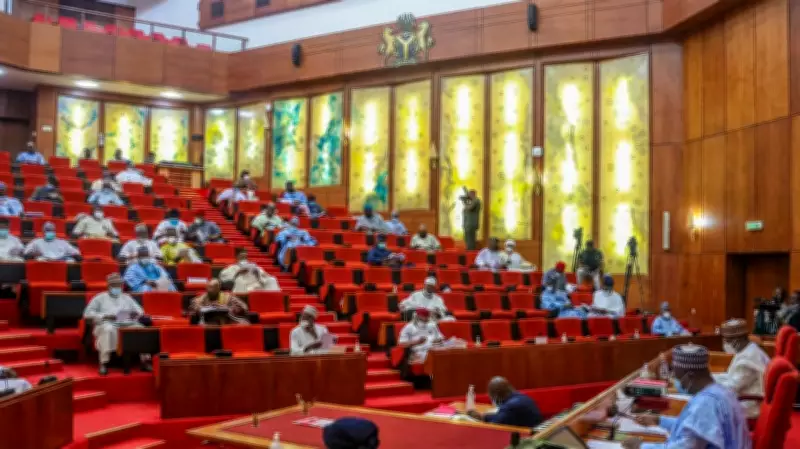
The Senate has officially approved an aggregate expenditure of N68.32 trillion for the 2026 fiscal year, following the adoption of presidential proposals that expand the budget by approximately N9.09 trillion. This approval makes it one of the largest fiscal plans in Nigeria's history, reflecting significant government spending priorities.
Budget Breakdown and Key Allocations
The approved budget comprises several critical components:
- N32.29 trillion for capital expenditure, emphasizing infrastructure development.
- N15.43 trillion for recurrent spending, covering personnel and administrative costs.
- N15.81 trillion for debt servicing, highlighting ongoing pressure from Nigeria's debt obligations.
- N4.80 trillion for statutory transfers to fund key institutions like the judiciary.
The capital component underscores the administration's focus on infrastructure, while the substantial debt servicing allocation points to fiscal challenges in managing public finances.
Adjustments and Strategic Interventions
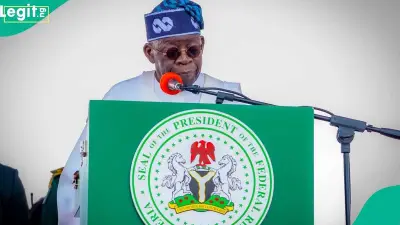
President Bola Ahmed Tinubu requested sweeping adjustments to address capital commitments and fund strategic projects. Key elements include:
- N5.71 trillion for legacy capital obligations from the 2025 fiscal cycle.
- N2 trillion earmarked for priority projects across key sectors to prevent delays and ensure program continuity.
Specific interventions span multiple sectors:
- Infrastructure: Under the Ministry of Finance Incorporated (MOFI) framework, N478.60 billion is allocated for equity contributions to light rail projects in Lagos, Kano, Kaduna, and Ogun States, plus feasibility studies for rail projects in Enugu and Maiduguri and national rail network expansion. Additionally, N8.96 billion is proposed for feasibility studies on the Calabar–Maiduguri Corridor and Maiduguri–Sokoto Superhighway.
- Health: US$344.83 million (about N482.76 billion) is allocated for priority interventions tied to bilateral commitments.
- Judiciary: Proposals include N98.50 billion for the Court of Appeal, N36.7 billion for the Supreme Court, and an additional N268.54 billion to strengthen the judiciary's budget ceiling and support new judicial appointments ahead of the 2027 general elections.
Financing the Expanded Budget
To fund the N9.09 trillion adjustments and overall budget, the federal government is implementing a mix of revenue enhancements and borrowing:
- An increase in the oil benchmark by $10 per barrel is expected to generate N2.592 trillion.
- Telecommunications sector reforms are projected to boost tax revenues, with major operators like MTN Nigeria and Airtel Nigeria contributing about N874 billion in corporate income tax.
- The government plans to raise an additional N6.163 trillion through external borrowing to bridge the funding gap.
These measures position the 2026 budget as a key policy instrument for advancing infrastructure, strengthening institutions, and supporting economic growth, despite ongoing concerns over debt sustainability and fiscal balance.