Senate Investigates Nigerian Railway System Over Contract Controversies and Operational Failures
The Nigerian Senate has launched a comprehensive investigation into the country's railway system, focusing on alleged operational inefficiencies, security concerns, and controversial contracts that have led to declining service quality. This probe comes amid growing public frustration over the deteriorating state of key rail corridors, which are vital for national transportation and economic activity.
Plenary Session Sparks Inquiry Into Rail Service Deterioration
The investigation was triggered during a Senate plenary session on Thursday, January 29, when lawmakers raised urgent concerns about the worsening condition of Nigeria's major rail routes. Following a detailed personal explanation from a senator highlighting these issues, Senate President Godswill Akpabio moved swiftly to establish an ad hoc committee tasked with conducting a thorough review of the entire railway network.
This committee, which was originally formed in November 2025 under the leadership of Senator Adams Oshiomhole, has now been officially inaugurated with a clear mandate. The panel is expected to examine critical aspects including project execution methodologies, funding allocations, operational efficiency metrics, and overall service delivery standards across Nigeria's railway infrastructure.
Lawmakers Express Alarm Over Declining Rail Performance
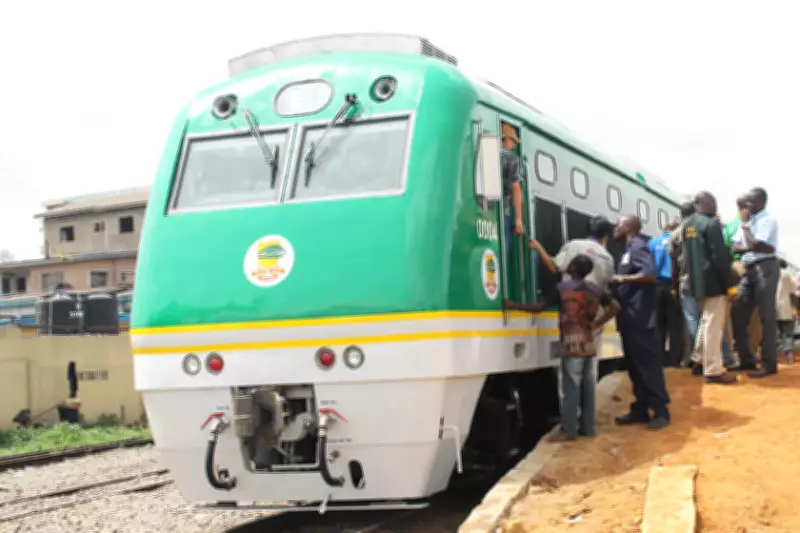
During the plenary debate, Senate President Akpabio voiced particular concern about the noticeable decline in service quality on the Abuja-Kaduna rail corridor. He noted with dismay that travel times have deteriorated so significantly that alternative modes of transportation, including bicycles and commercial tricycles, could potentially complete the journey faster than the official train service.
Senator Abdul Ningi reinforced these concerns by providing specific details about the Abuja-Kaduna-Kano rail line's poor condition. He alleged that the contract for this crucial infrastructure project was executed poorly, resulting in substandard outcomes despite substantial financial investments. Ningi further revealed that while the rail line has generated impressive revenue exceeding ₦1.8 billion, there has been no corresponding improvement in service quality or passenger experience.
Specific Service Reductions and Extended Travel Times Documented
The investigation has uncovered troubling specifics about how rail services have degraded over time. According to Senator Ningi's testimony, what was once a journey of approximately one and a half hours between Abuja and Kaduna has now extended to about three and a half hours—more than doubling the original travel time.
Furthermore, service frequency has been drastically reduced on this vital corridor. Where multiple daily trips were previously available to accommodate passenger demand, operations have now been cut back to just a single daily service. This limited schedule features a 7:00 a.m. departure from Abuja with a corresponding return trip from Kaduna, significantly restricting travel options for commuters and potentially impacting economic activities along the route.
The ad hoc committee has been given a six-week deadline to complete its comprehensive review and submit findings and recommendations. This investigation represents a significant parliamentary effort to address systemic issues within Nigeria's transportation infrastructure and ensure that railway services meet the expectations of citizens and support national development goals.