Senate Pushes Back Against Opposition Demands for Electoral Act Amendment
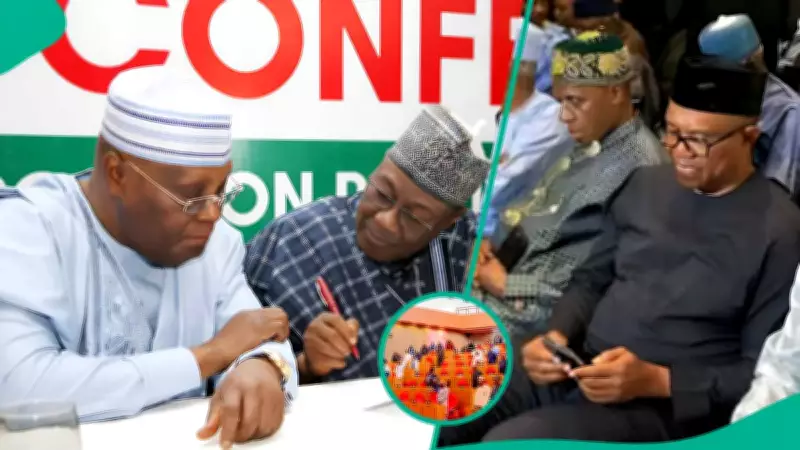
The Nigerian Senate has firmly rejected fresh calls from opposition leaders for an immediate amendment of the Electoral Act 2026, emphasizing that any concerns must be channeled through proper legislative procedures. This response comes after prominent opposition figures, including Atiku Abubakar, Peter Obi, and Rotimi Amaechi, argued that certain provisions of the newly enacted law could undermine electoral transparency, particularly in areas related to party primaries and result transmission.
Senate Leaders Defend Legislative Process
Senate spokesman Yemi Adaramodu dismissed the demand for another review of the Electoral Act, likening it to an action taken after the process had already concluded. He advised opposition figures to forward specific proposals to their representatives in the National Assembly for consideration. Similarly, Chairman of the Senate Committee on Development Commission, Orji Uzor Kalu, maintained that only the National Assembly has the constitutional authority to amend the Electoral Act, stressing that individuals or pressure groups cannot dictate such a process.
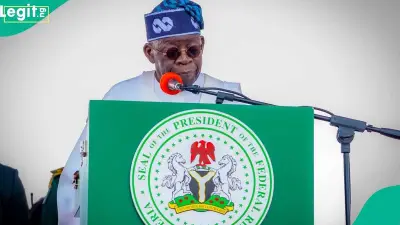
Kalu cautioned opposition leaders against escalating political tension, urging them to prepare for the 2027 elections if dissatisfied with the current administration rather than "heating the polity." This stance underscores the Senate's commitment to upholding legislative protocols and avoiding hasty revisions to laws that have been duly passed and assented to by President Bola Ahmed Tinubu on February 18.
Opposition Mounts Pressure Over Electoral Act Provisions
The Senate's reaction followed a joint press conference in Abuja by leaders of the African Democratic Congress (ADC) and the New Nigeria Peoples Party (NNPP), who described aspects of the Electoral Act 2026 as anti-democratic. The law introduces significant changes, including restricting political parties to direct primaries and consensus arrangements, effectively removing the option of indirect primaries available under the previous 2022 Act. It also shortens campaign periods, adjusts timelines for primaries, and provides that funding for the Independent National Electoral Commission (INEC) be released six months before elections instead of 12 months.
NNPP National Chairman, Ajuji Ahmed, argued that certain provisions, particularly in Section 60(3), grant wide discretionary powers to presiding officers, potentially weakening electronic transmission of results. He cited past remarks by former INEC officials and data from the Nigerian Communications Commission to support claims that network limitations should not justify delays in real-time result transmission. On party primaries, opposition leaders contended that limiting nomination methods infringes on the constitutional autonomy of political parties.
Key Opposition Figures Weigh In on the Debate
Former Vice-President Atiku Abubakar called for unity among opposition parties, warning that democratic setbacks in Nigeria could have wider implications for Africa. Peter Obi, the 2023 Labour Party presidential candidate, criticized the state of governance, pointing to rising poverty, insecurity, and economic hardship, while urging collaboration among opposition forces. Former Rivers governor Rotimi Amaechi argued that the opposition must reassess its strategy, saying internal weaknesses, rather than President Tinubu alone, pose the greatest challenge.
In related developments, INEC has announced a review of the 2027 general elections timetable following the enactment of the Electoral Act 2026. According to the new schedule, presidential and national assembly elections have been shifted backwards, while governorship and state houses of assembly elections will be held on an earlier date. This adjustment reflects the ongoing efforts to align electoral processes with the updated legal framework, despite the ongoing political debates.