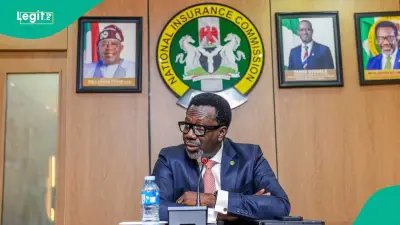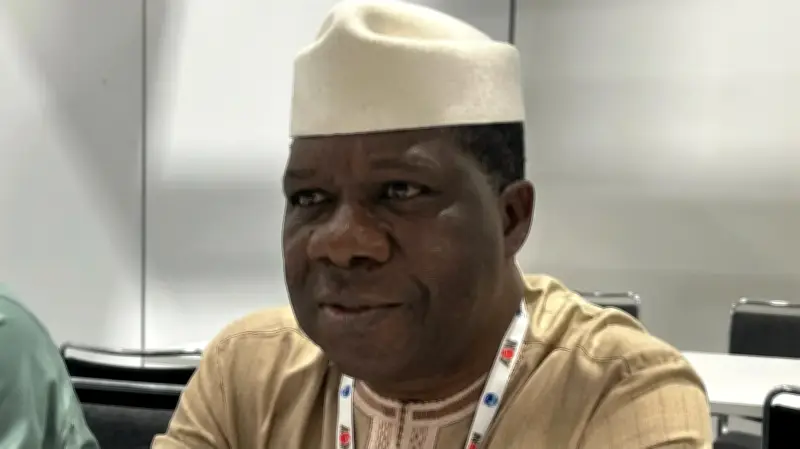
Senate Majority Leader Opeyemi Bamidele has stated that establishing state police will not be a magic solution to Nigeria's insecurity, but it will significantly strengthen local intelligence gathering, community policing, and rapid response capabilities. He spoke with selected journalists on worsening insecurity, defence spending, state police, anti-kidnapping legislation, economic reforms, and other pressing national issues.
Defence Spending Probe Rejected in National Interest
Bamidele explained that the Senate rejected calls for a comprehensive probe of military spending because placing the military under a public investigative process while it is actively engaged in war against terrorists and criminal gangs would be inappropriate and potentially harmful to national security. He noted that the Nigerian Armed Forces have been operating under difficult circumstances, successfully pushing back Boko Haram insurgents who once controlled territories in the North-East. The enemy has since changed tactics to guerrilla methods, creating a more complex security environment. He assured that oversight continues through established channels like committees on Defence, Army, Navy, and Air Force, which regularly examine budgets and monitor procurement.
Rubber Stamp Claims Dismissed
Responding to critics who label the 10th National Assembly as a rubber stamp, Bamidele argued that this perception stems from a deliberate strategy of constructive engagement between the legislature and the executive. He stated that many disagreements are resolved before reaching the Senate floor through extensive consultations with ministers, agency heads, party leaders, and the Presidency. He cited instances where nominees were quietly returned for reconsideration and legislative proposals underwent substantial modifications. He emphasised that independence is not solely demonstrated through public confrontations, and collaboration does not mean surrendering legislative authority.
State Police Process Accelerated
On the delay in operationalising state police, Bamidele revealed that the National Assembly has been working on constitutional amendments to provide a legal framework. Extensive consultations have involved the Assembly, Attorney-General, Inspector-General of Police, Presidency, and other stakeholders. The decision has been taken to separate the state police amendment from other constitutional review matters to accelerate its passage. Once approved by the National Assembly, it will be transmitted to the 36 state Houses of Assembly, as constitutional amendments require support from at least two-thirds of states. The President supports the initiative, and many governors have indicated readiness.
Stiffer Penalties for Kidnappers
Bamidele explained that the Senate's push for stiffer penalties for kidnappers and their collaborators aims to strengthen deterrence. The amendment to the Terrorism (Prevention and Prohibition) Act targets not only kidnappers but also financiers, informants, collaborators, and anyone who knowingly supports criminal networks. The courts have already begun imposing tougher sentences, and the proposed legislation will reinforce that approach. He stressed that insecurity cannot be defeated without strong legal frameworks.
Phase Out Open Grazing
Regarding farmer-herder clashes, Bamidele noted that the creation of the Federal Ministry of Livestock Development represents a major policy intervention to modernise livestock production, promote ranching, and develop sustainable solutions. He acknowledged the sensitivity of the issue, involving traditions, land rights, livelihoods, and cultural identities. The goal is to eliminate recurring clashes that have claimed lives and destroyed property.
Economic Reforms and Democracy Day
Bamidele highlighted the National Assembly's role in cushioning economic reforms through the Nigerian Education Loan Fund, tax reforms exempting low-income earners and small businesses from certain taxes, and other measures. On Democracy Day, he reflected on progress since the return to democratic rule, emphasising the need to strengthen institutions rather than individuals. He noted that democracy is a journey, and the Assembly remains committed to electoral reforms and constitutional amendments.
He also addressed criticisms about Senate investigations dragging on, explaining that not all inquiries end with public accusations; many result in agencies correcting deficiencies or implementing reforms. On electoral law amendments, he advocated for reviews after the electoral cycle to avoid undermining confidence. On allowances and vehicle allocations, he supported transparency, noting that lawmakers do not determine their own salaries—these are handled by the Revenue Mobilisation, Allocation and Fiscal Commission. Official vehicles are tools for constituency engagements and oversight, not personal assets.
Biggest Achievement and Lowest Point
Bamidele described the Senate's lowest point as a period when internal controversies dominated public discourse, distracting from substantive work. The biggest achievement has been supporting reforms to stabilise the economy and strengthen governance, including laws on education, agriculture, finance, healthcare, and security. He concluded that restoring security remains the foremost national obligation, as all development depends on peace and safety.