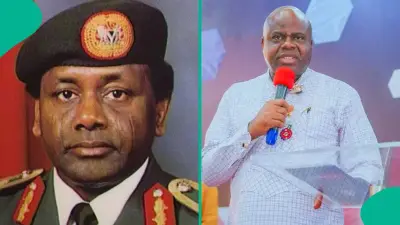
Sunday Igboho Returns to Nigeria After Four-Year Exile
Chief Sunday Adeyemo, widely known as Sunday Igboho, the prominent Yoruba activist and self-exile figure, has made a significant return to Nigeria after nearly four years away from the country. His homecoming marks a pivotal moment in Nigerian activism, as he arrives with a renewed sense of purpose and determination to continue his advocacy for Yoruba causes and national unity.
Emotional Reflection on Exile Hardships
In a heartfelt statement shared on social media platforms, Igboho opened up about the immense challenges and personal sacrifices he endured during his time in exile. He described years marked by the loss of freedom, valuable properties, financial resources, cherished friendships, and even loved ones. The activist poignantly noted that there were moments when his very life seemed to hang in the balance, facing rejection, misunderstanding, and erasure from many who once stood by his side.
"I am home. Not because the journey was easy, but because it did not break me," Igboho declared, emphasizing his resilience in the face of adversity. He stressed that despite these profound difficulties, his core convictions remained unshaken, stating, "Exile could not take my conscience. It could not take my love for the people. It could not take my belief that a nation is more than its governments."
Presidential Approval Clears the Way
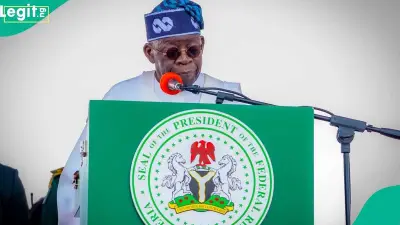
According to reliable sources cited by The Nation newspaper, Igboho's return on Monday, January 26, 2026, became possible after his name was officially removed from Nigeria's most wanted list. This crucial decision followed strategic interventions by influential Yoruba monarchs, who successfully persuaded President Bola Tinubu to approve the move. Olayomi Koiki, Igboho's spokesman, confirmed that all necessary arrangements for the activist's return had been meticulously completed, ensuring a smooth transition back to Nigerian soil.
Renewed Commitment Without Revenge
Igboho made it clear that his return is not about seeking vengeance or harboring anger toward those who opposed him. Instead, he expressed deep gratitude for life itself, the valuable lessons learned during exile, and a refreshed commitment to serve humanity with unwavering integrity. "This is not a victory lap. This is a continuation of purpose," he emphasized, signaling his intent to persist in his activism with even greater resolve.
Calls for Unity and Peace
In his public statement, Igboho extended appreciation to supporters who remained steadfast throughout his ordeal and offered goodwill to those who doubted him. "Thank you to those who stood firm. To those who doubted, I wish you peace. The work continues," he stated, highlighting his focus on fostering unity and constructive dialogue moving forward.
Broader Context of Activist Dynamics
The return of Sunday Igboho occurs against a backdrop of ongoing tensions within Yoruba activist circles. Notably, a rift persists between Igboho and Gani Adams, the Aare Ona Kakanfo of Yorubaland, despite peacemaking efforts by the Ooni of Ife, Oba Adeyeye Ogunwusi. Recent developments have seen both activists threatening legal action against each other, with Adams disputing a viral voice note attributed to him as distorted and aimed at tarnishing his reputation. This complex landscape underscores the challenges Igboho may face as he reintegrates into Nigeria's socio-political environment.
Sunday Igboho's return from exile represents more than just a personal homecoming; it symbolizes resilience in the face of persecution and a renewed voice for advocacy in Nigeria. His journey highlights the enduring struggles of activists and the intricate interplay between governance, tradition, and civil society in the nation's ongoing development.