Tanzanian President Implements Austerity Measures Amid Fuel Shortages
Tanzanian President Samia Suluhu Hassan has issued a directive requiring all government officials to travel together in a single bus when conducting official business. This unprecedented measure aims to significantly reduce fuel consumption as Tanzania grapples with worsening fuel shortages across the African continent.
Fuel Crisis Triggers Government Travel Restrictions
The fuel shortages have been exacerbated by the ongoing conflict in the Middle East, particularly affecting the Strait of Hormuz where approximately one-fifth of global oil and gas normally passes through. Tanzania's energy regulator reported last week that fuel prices in East Africa have surged by approximately one-third since March, creating urgent need for conservation measures.
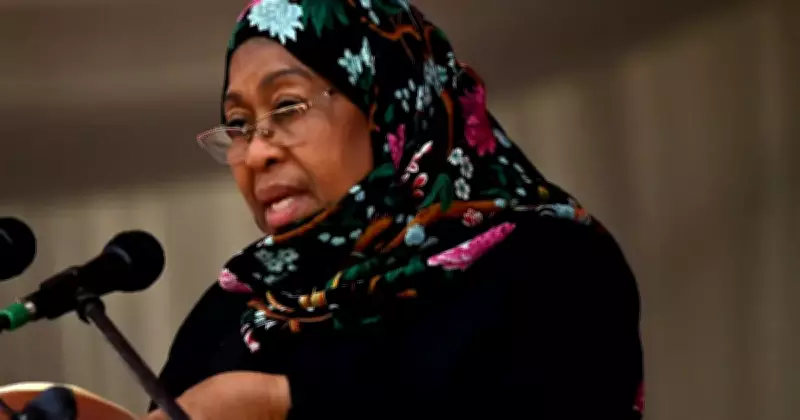
During a swearing-in ceremony for officials on Wednesday, President Hassan announced that even her presidential convoy would be dramatically reduced. Typically consisting of over 30 vehicles including SUVs and police motorcycles that often bring traffic to a standstill, her official trips will now include only essential security and backup vehicles.
"From now on, wherever I go, all officials will travel together in one bus... to cut fuel consumption," President Hassan declared during the ceremony, setting an example of austerity from the highest levels of government.
Senegal Implements Travel Ban for Ministers
Meanwhile, Senegal has taken similarly drastic measures in response to the oil price crisis. Prime Minister Ousmane Sonko announced that government ministers have been prohibited from traveling abroad for non-essential purposes following the surge in oil prices triggered by the Iran conflict.
During a public meeting with youth last Friday, Sonko revealed that oil prices were approaching double the amount budgeted for, prompting immediate action. The Prime Minister has personally rescheduled his planned trips to Niger, Spain, and France as part of the new restrictions.
Sonko emphasized that his intention was not to frighten citizens but to provide "a feeling of this world, which is a tough world," while acknowledging the resilience of Senegalese people during difficult times. A minister of mines is scheduled to announce additional measures to limit government expenditure next week.
Broader African Response to Fuel Crisis
The fuel conservation measures extend beyond Tanzania and Senegal, with multiple African nations implementing various strategies to cope with the economic impact of Middle East conflict on global oil markets.
In Ethiopia, the government has prioritized vehicles transporting essential goods and public transport at fuel stations, while some state organs have sent staff on annual leave due to shortages. South Sudan has resorted to electricity rationing in its capital Juba, and Zimbabwe is increasing ethanol content in petrol to reduce petroleum dependence.
South Africa has responded by reducing taxes on petrol to minimize price increases at fuel pumps. The near closure of the Strait of Hormuz has also restricted fertilizer supply globally, with approximately 30% of this crucial agricultural input normally transported through the Gulf region.
The International Rescue Committee warned last Wednesday that this situation creates a "food security time bomb" particularly for East Africa, which depends heavily on fertilizer imports from the Middle East.
Economic Context and Challenges
Senegal's situation presents particular challenges as the country, while newly entering oil and gas production, still relies primarily on fuel imports. The International Monetary Fund described Senegal's economy last year as "strong" with nearly 8% growth and low inflation, but the country carries high public debt.
Prime Minister Sonko, who assumed office two years ago, criticized the previous administration for burdening his government with debt that now complicates managing oil price increases. Senegal's public debt stands at over 130% of annual GDP, making current economic pressures particularly difficult to navigate.
These coordinated responses across multiple African nations demonstrate the widespread impact of Middle East conflict on global energy markets and the urgent measures governments are taking to mitigate effects on their economies and populations.