Tinubu Coup Plot: 7 Critical Updates on Military Detentions and National Security
The Nigerian military has detained 16 officers linked to an alleged coup plot against President Bola Ahmed Tinubu, sparking widespread discussion and analysis across the nation. This development comes amid ongoing governance and security challenges that continue to threaten Nigeria's long-term stability and democratic progress.
Military Investigation and Report Submission
The military has formally submitted its investigation report regarding what it described as "indiscipline and breach of service regulations" by the detained officers. According to reports from Daily Trust on January 26, 2026, the Defence Intelligence Agency conducted thorough interrogations before presenting the findings to President Tinubu. This formal submission marks a significant step in the official handling of the sensitive matter.
Security Sources Confirm Threat Details
Premium Times reported that Nigerian military authorities investigated a foiled coup plot allegedly involving several top officers. Security sources revealed to the newspaper that the alleged plotters had planned to assassinate key government figures including:
- President Bola Tinubu
- Vice President Kashim Shettima
- Senate President Godswill Akpabio
- Speaker of the House of Representatives Tajudeen Abbas
The federal government's sudden cancellation of the Independence Day Parade on October 1, 2025, has been cited by military sources as evidence supporting the coup plot allegations.
Political and Public Reactions
Prominent Nigerian figures have expressed strong opinions regarding the alleged coup attempt. Omoyele Sowore, a former presidential contestant, declared he would never support military rule, recalling his experiences during Nigeria's military regimes. Meanwhile, Laolu Akande, former spokesperson to ex-Vice President Yemi Osinbajo, urged politicians dissatisfied with the current administration to channel their energies through electoral processes rather than unconstitutional means.
Social Media Responses and Public Sentiment
Nigerians have taken to various social media platforms to express mixed reactions to the alleged foiled putsch. While some citizens have questioned the timing of the arrests and described the claims as political propaganda, others have called for greater transparency in the investigation process. The International Centre for Investigative Reporting noted this divided public opinion reflects broader concerns about governance and security in the country.
Impact on National Stability and Development
Nigeria's stability faces significant threats from multidimensional insecurity including terrorism, banditry, separatism, and kidnapping. These challenges create severe humanitarian crises and cripple economic growth across the nation. Combined with profound political mistrust, these factors establish a volatile environment for long-term development in Africa's most populous country. The swift intervention by security forces and subsequent solidarity from the National Assembly demonstrate decisive institutional responses during this critical period.
Historical Context of Nigerian Coups
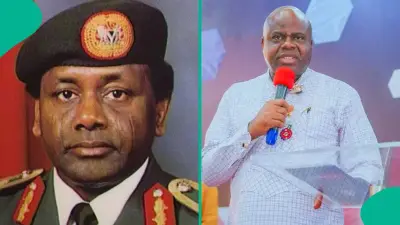
Nigeria has experienced at least nine coups and attempted coups between 1966 and 1995. The last major scare occurred in 1997 when then head of state Sani Abacha accused his deputy, Oladipo Diya, and other senior officers of plotting to overthrow his government. A military tribunal sentenced them to death, though Abacha's death in 1998 halted the executions and the accused were later freed. Since 1999, Nigeria has maintained 26 consecutive years of civilian rule, making this alleged plot particularly significant in the current democratic era.
Future Monitoring and Security Considerations
Political observers have advised Nigerian citizens to closely monitor several key areas in the aftermath of the alleged coup plot:
- The evolving security situation across the country
- The behavior and responses of state institutions
- The stability and reliability of information channels
Experts note that successful coups often involve rapid, secret power grabs that create "fait accompli" situations, giving the impression that takeovers have already succeeded before the public becomes fully aware.
Former All Progressives Congress presidential aspirant Adamu Garba has asserted that no coup campaign or plot would survive in contemporary Nigeria, suggesting that international actors would intervene to dismantle plotters and restore democratic governance if necessary. This perspective highlights the complex interplay between domestic security concerns and international diplomatic considerations in maintaining Nigeria's democratic stability.