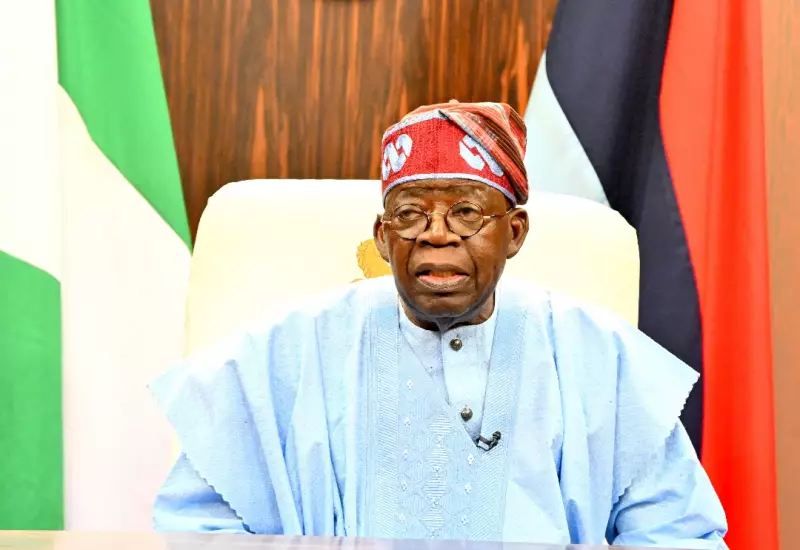
In a significant move aimed at tackling unemployment and promoting sustainable transportation, President Bola Ahmed Tinubu has officially launched the Electric Tricycle Empowerment Initiative.
The programme, unveiled on 27 November 2025, is designed to substantially reduce transportation costs, champion clean energy, and create vast job opportunities for young Nigerians across the country.
A New Dawn for Youth and Green Mobility
Represented by the Minister of Labour and Productivity, Muhammadu Maigari Dingyadi, President Tinubu launched the initiative developed by the Federal Ministry of Youth Development. The programme is a collaborative effort with House of Destiny Global Services and the National Commercial Tricycle and Motorcycle Owners and Riders Association (NATOMORAS).
President Tinubu stated that the rollout of electric tricycles is a core part of his administration's commitment to building a greener and more inclusive economy. He emphasized that the initiative is strategically designed to empower young people, enabling them to become self-employed and self-reliant.
"I am pleased to launch this Electric Tricycle Empowerment Initiative, a programme designed to enable our young people to become self-employed and contribute meaningfully to national development," the President said.
Economic and Environmental Benefits
The President highlighted that the scheme is in perfect alignment with Nigeria's national energy transition plan. A key benefit is the promotion of cleaner mobility, which will significantly cut the country's carbon emissions.
According to the announcement, the use of electric tricycles can reduce transport costs by up to 40 per cent for operators. This offers a much more efficient and environmentally friendly alternative to the traditional petrol-powered models that dominate the roads.
Tinubu commended the Ministry of Youth Development for spearheading the project, noting that it demonstrates the government's resolve to lower pollution and create sustainable job opportunities for the nation's youth.
Transforming the Informal Economy
In his remarks, the Minister of Youth Development, Comrade Ayodele Olawande, declared that this programme marks a new era for Nigerian youth, particularly for those working within the informal economy.
He described the initiative as a fundamental component of President Tinubu’s Renewed Hope Agenda, which is focused on job creation, emission reduction, and strengthening overall economic growth.
"For too long, youth empowerment focused mainly on the formal sector. For over 40 years, Nigerian youths struggled to feel the impact of the government," Olawande stated. "But today, under a true leader, not a ruler, President Bola Ahmed Tinubu, we are seeing genuine partnerships and renewed collaboration that will transform the fortunes of this country."
The Minister outlined that thousands of young Nigerians are set to benefit from various opportunities within the electric mobility value chain. These include roles in tricycle operation, repairs, battery maintenance, and charging-station management.
He stressed that every young person, whether a graduate or a transporter, deserves dignity and a stable source of income. Olawande also revealed an ongoing collaboration with NASENI to develop electric vehicles that meet global standards.
In a major announcement, he confirmed that no fewer than 100 start-up grants would be issued before the end of the year, alongside other targeted support programmes for youths in the informal sector.
The Permanent Secretary of the ministry, Dr. Maryam Keshinro, represented by Joseph Samuel, Director of General Services, hailed the launch as a milestone in Nigeria's shift towards technology-driven and eco-friendly transportation.
She affirmed that the initiative directly supports the Renewed Hope Agenda by confronting critical issues like unemployment, high transport costs, and environmental degradation through the creation of green jobs.
Transport Sector Applauds Initiative
Representing NATOMORAS, Alhaji Usman Buba Gwoza praised the Federal Government for what he termed a new dawn for Nigeria's transport sector.
He explained that the introduction of electric tricycles will provide immense relief to millions of riders who are currently grappling with incessantly rising fuel costs. Furthermore, it will aid the country in cutting emissions and modernizing its transport systems.
"The introduction of electric tricycles is not just a technological milestone; it is a symbol of hope, an opportunity for cleaner energy, reduced fuel expenses, and better earnings for our members," Gwoza said.
He appealed for continued government support through the provision of more electric tricycles under the management of House of Destiny Global Services, which he endorsed as a trusted indigenous partner.
Gwoza highlighted that NATOMORAS represents a massive network of more than 18 million registered operators across both rural and urban areas. He stressed that the widespread adoption of electric tricycles could dramatically reduce youth unemployment while simultaneously supporting Nigeria's green-economy objectives.