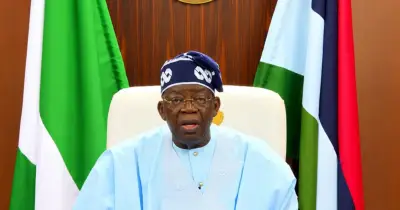
Nigerians across the nation are expressing widespread discontent following President Bola Tinubu's recent announcement of state pardons and clemency measures. The controversial list has sparked heated debates about transparency and accountability in the nation's leadership.
What's Inside the Controversial Pardon List?
The presidential clemency initiative, approved during the Federal Council meeting, includes various forms of relief for selected individuals:
- Complete presidential pardons for certain convicts
- Commutation of sentences for others
- Early release provisions for specific cases
Public Reaction Reaches Boiling Point
Social media platforms and public spaces have become arenas for intense criticism as citizens question the selection criteria and timing of these pardons. Many Nigerians are demanding:
- Full disclosure of all beneficiaries
- Clear justification for each pardon decision
- Transparency in the review process
- Explanation of how these decisions serve national interest
Why This Matters for Nigerian Democracy
The growing public outcry highlights deeper concerns about governance and accountability in Nigeria's political landscape. Citizens are increasingly vocal about their expectation that presidential powers, particularly those involving clemency, should be exercised with utmost transparency and clear public benefit.
The controversy raises critical questions: How are pardon recipients selected? What measures ensure these decisions don't undermine the justice system? And most importantly, how can citizens hold their leaders accountable for such significant executive actions?
As the debate continues, all eyes remain on the Presidency, waiting to see if further explanations will be provided to address the nation's concerns.