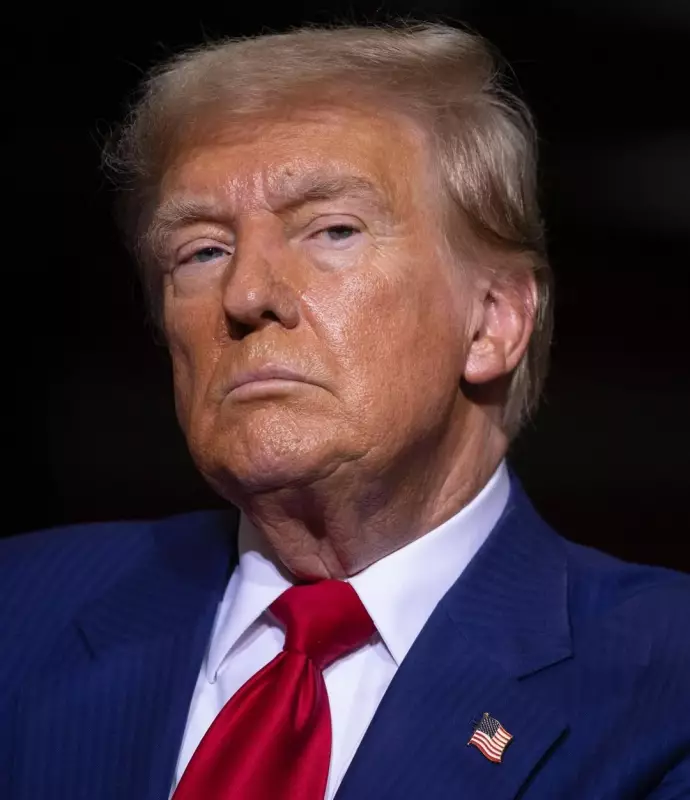
In a move that has reignited intense political speculation, former President Donald Trump publicly questioned the possibility of serving a fourth term in office, while simultaneously boasting about his record achievements. The query, posted on his Truth Social platform on Thursday, January 22, has sparked widespread debate about constitutional limits and Trump's long-term political ambitions.
Trump's Provocative Social Media Post
Taking to his preferred communication channel, Trump wrote in a post that quickly went viral: "RECORD NUMBERS ALL OVER THE PLACE! SHOULD I TRY FOR A FOURTH TERM?" This statement comes as Trump's second term in office is scheduled to conclude in January 2029, making the mention of a fourth term particularly noteworthy and constitutionally problematic.
Constitutional Context and Historical Precedent
The United States Constitution, through the 22nd Amendment ratified in 1951, explicitly limits presidents to two elected terms in office. Trump has previously teased the idea of serving a third term, which would already challenge this constitutional boundary. However, in October, he appeared to rule out a third term, shifting discussions toward potential successors like Vice President JD Vance and Secretary of State Marco Rubio.
The reference to a "fourth term" in his latest post adds another layer of ambiguity. Political analysts are divided on whether this represents a serious consideration, a rhetorical flourish to emphasize his confidence in his record, or simply a tactic to maintain media attention and rally his base.
Broader Political Implications
Trump's query arrives amid ongoing discussions about his legacy and the future of his political movement. By highlighting "record numbers"—likely referring to economic indicators, polling data, or policy achievements—he reinforces his narrative of success while opening a conversation about extended leadership. This move could be seen as testing public reaction to the idea of prolonged influence, even if not through consecutive terms.
Observers note that such statements may also serve to overshadow internal party dynamics or potential rivals, keeping Trump at the center of political discourse. The mention of heirs like Vance and Rubio suggests a strategic balancing act between asserting dominance and planning for succession.
Unanswered Questions and Public Reaction
As of now, it remains unclear what Trump precisely meant by a "fourth term." Speculation ranges from a hypothetical scenario beyond constitutional norms to a metaphorical claim of enduring political relevance. The post has elicited mixed reactions, with supporters applauding his boldness and critics warning of democratic norms being undermined.
This incident underscores the evolving nature of political communication in the digital age, where social media platforms like Truth Social allow leaders to directly shape narratives and provoke debate without traditional media filters. As the story develops, it will likely fuel further discussions on term limits, presidential power, and the intersection of politics and online discourse.