Governor Uzodimma Credits Tinubu's Reforms for Nigeria's Fuel Stability Amid Global Shock
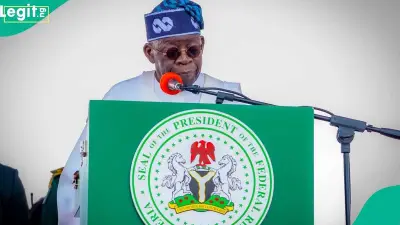
Imo State Governor Hope Uzodimma has asserted that Nigeria was protected from the most severe impacts of a worldwide fuel crisis, even as petrol prices climbed to approximately N1,300 per litre. He attributed this resilience to the policy reforms implemented by President Bola Tinubu's administration.
Global Supply Disruptions and Middle East Tensions
Uzodimma explained that renewed conflict in the Middle East, particularly involving Iran, Israel, and the United States, created significant pressure on global energy markets. The hostilities disrupted shipping through the critical Strait of Hormuz, a narrow maritime route responsible for transporting a substantial portion of the world's oil supply. This blockage of vessels triggered upward trends in fuel prices internationally.
"In spite the speculative tension in the Middle East, occasioned by the crisis in Iran, the prices of fuel would have gone up but in the African continent, Nigerian naira remains stable," Uzodimma stated during his address in Owerri.
Tinubu's Policies as a Protective Shield
The governor emphasized that Nigeria avoided both acute fuel scarcity and even more dramatic domestic price increases due to strategic reforms introduced since 2023. He painted a stark picture of Nigeria's economic condition when the current administration assumed office, describing the country as "almost at a decaying level." Without these policy changes, Uzodimma argued, Nigeria would have suffered far more severe consequences from the global fuel shock.
Uzodimma highlighted the relative stability of the Nigerian naira compared to other African currencies during this period. While other nations experienced currency weakening, the naira maintained a position around N1,240 to the U.S. dollar. "The exchange rate of U.S. Dollar and South Africa has gone up but in Nigeria, our exchange rate remains stable at N1,240 because we no longer fund subsidy," he explained.
Subsidy Removal and Economic Benefits
The governor specifically credited the removal of fuel subsidy with alleviating pressure on Nigeria's foreign exchange reserves. This policy shift, according to Uzodimma, created an environment that enabled the Dangote Refinery to purchase crude oil using the local currency rather than foreign exchange. He noted that international observers are beginning to recognize Nigeria's economic recovery and called for national unity to sustain this progress.
Support for Youth Empowerment Initiatives
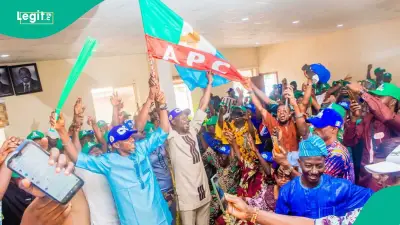
Uzodimma made these remarks while receiving members of the City Boy Movement at the Government House in Owerri. The delegation was led by its patron Seyi Tinubu and Minister of Youth Development Ayodele Olawande. The governor described their visit as a homecoming and praised the group's charitable activities and youth outreach programs.
He pointed to improvements in infrastructure and political stability within the South-East region and encouraged movement members to promote the administration's achievements at the community level. Uzodimma pledged his full support for the City Boy Movement's initiatives.
Minister Olawande expressed gratitude for the governor's backing and appealed for continued collaboration on youth development programs. According to reports, the City Boy Movement plans to empower approximately 7,000 young people across the South-East during their current visit.
Uzodimma concluded by emphasizing that Nigeria's ability to withstand global fuel market volatility demonstrates the effectiveness of the current administration's economic policies, particularly the controversial but strategically important decision to eliminate fuel subsidies.