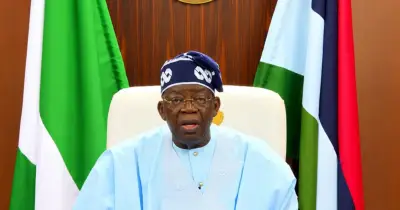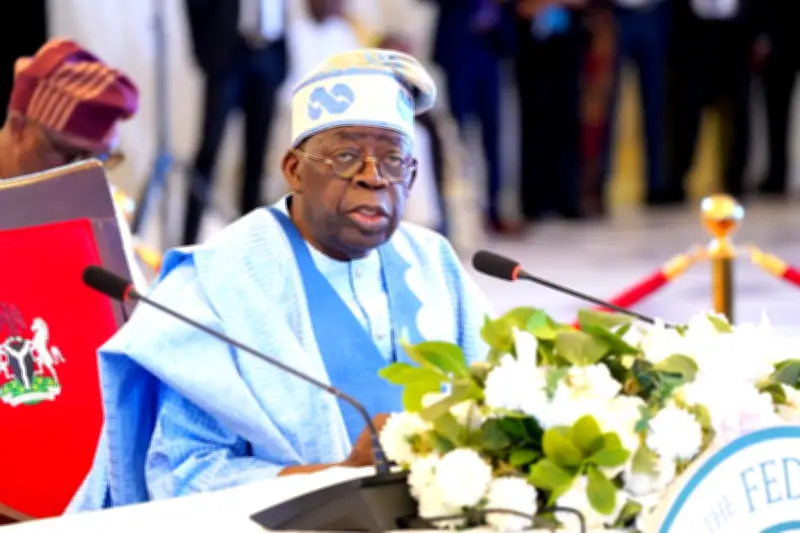
Nigerians' growing discontent with President Bola Tinubu's economic policies is rooted in the sharp devaluation of the naira, the removal of the fuel subsidy, and a consequent surge in inflation that has eroded purchasing power. According to a recent analysis by Nairametrics, these factors have combined to create a cost-of-living crisis that many citizens blame on the administration's reforms.
Naira Devaluation and Fuel Subsidy Removal
The central trigger for the economic hardship has been the floating of the naira, which occurred shortly after Tinubu took office in May 2023. The currency lost more than 50% of its value against the US dollar within months, making imports more expensive and fueling domestic price rises. Simultaneously, the government ended the long-standing fuel subsidy, causing petrol prices to triple from around N185 per litre to over N600 per litre in many parts of the country.
These policy shifts were intended to attract foreign investment and free up fiscal resources, but they have hit ordinary Nigerians hard. Transport costs have skyrocketed, and food prices have followed suit, pushing inflation to over 30% in mid-2024, according to the National Bureau of Statistics.
Impact on Households and Businesses
The combination of a weaker currency and higher fuel costs has rippled through the economy. Small businesses, which form the backbone of Nigeria's informal sector, have seen their operating costs soar, forcing many to cut jobs or shut down entirely. Households are spending a larger share of their income on essentials like food, transportation, and electricity, leaving little for savings or other expenditures.
"The reforms are necessary, but the timing and lack of palliatives have made life unbearable for the poor," said an economist who spoke to Nairametrics on condition of anonymity. "Without a robust social safety net, the burden falls disproportionately on the most vulnerable."
Public Perception and Political Ramifications
Public perception has turned sharply negative, with many Nigerians viewing the economic pain as a direct result of Tinubu's policies. Protests have erupted in several states, and labor unions have called for strikes, demanding a reversal of the fuel subsidy removal and wage increases. The president has defended the reforms, arguing that they are necessary to reset the economy and attract long-term investment.
However, the immediate impact has been a decline in living standards and a rise in poverty. According to a World Bank report, an estimated 100 million Nigerians now live below the poverty line, a figure that has worsened since the reforms began.
Looking Ahead
As the administration pushes forward with its economic agenda, the challenge remains to cushion the effects on the population while maintaining fiscal discipline. The government has promised to invest in infrastructure and social programs, but these have yet to materialize on a scale that matches the crisis. Until tangible relief reaches households, public anger is likely to persist, shaping the political landscape ahead of future elections.