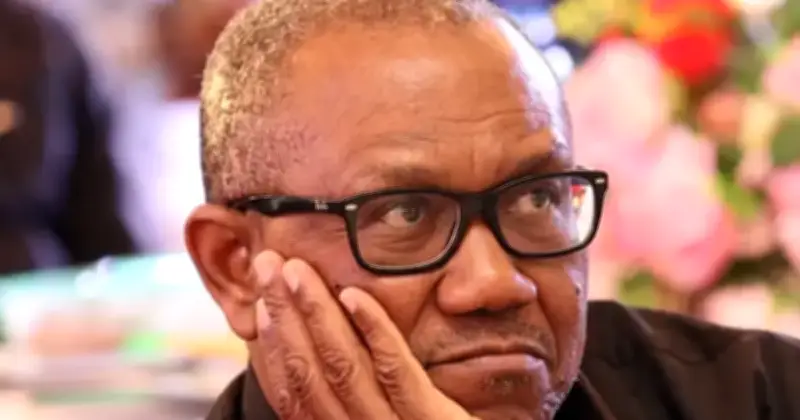
Former Anambra State governor and Nigeria Democratic Congress (NDC) presidential candidate Peter Obi has faced backlash after urging Nigerians living abroad to stop automatically giving money to people in Nigeria who seek financial assistance. Obi made the remarks on Sunday, October 18, 2026, during a town hall meeting with Nigerian diaspora supporters in Manchester, United Kingdom, where he argued that continued financial assistance from abroad could ease the effects of poor governance without addressing its underlying causes.
Obi's Remarks at Manchester Town Hall
“You have people at home in Nigeria today who are begging you for money. Tell them no!” Obi told the gathering. The former governor also urged Nigerians living abroad to encourage their relatives and friends at home to support leaders with proven records in public office, stressing that the country needed a change in leadership and better management of public resources.
Obi, who is seeking to become president in the 2027 general election, argued that Nigeria’s economic difficulties were linked to poor governance and the alleged diversion of public funds that should have been used to provide essential services. He also defended his record as governor of Anambra State, claiming that he saved more public funds than other governors during his time in office.
“I’m not saying I’m a saint, but I saved money. I’ve not seen one governor who has saved 10 per cent of what I saved. No governor has done it,” he said.
Political Parties and Critics Respond
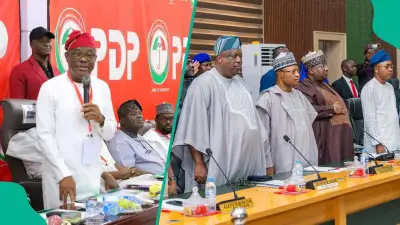
His comments, however, attracted criticism from political opponents and social media users who argued that withholding financial assistance could worsen the hardship faced by families who depend on relatives abroad for basic needs. The Labour Party, New Nigeria Peoples Party (NNPP) and Social Democratic Party (SDP) were among the political groups reported to have criticised the remarks.
Labour Party National Publicity Secretary Ken Asogwa argued that many Nigerians in the diaspora send money home to cover urgent expenses such as medical bills, school fees and other essential needs. He warned that asking people to stop providing such support could hurt vulnerable Nigerians without necessarily producing political change.
Similarly, NNPP National Chairman Major Agbo criticised the appeal, arguing that political disagreements should not undermine the economic support Nigerians abroad provide to their families and the wider economy. The SDP also faulted the proposal, arguing that withholding remittances would not automatically determine the outcome of the 2027 presidential election.
Supporters Defend Obi's Intent
Obi’s supporters, however, defended his comments, saying his message was directed at the political and economic conditions that leave millions of Nigerians dependent on relatives abroad rather than an instruction to abandon family members.
The controversy prompted Obi to issue a clarification on Tuesday, October 20, accusing political opponents of distorting his message. He said he appreciated Nigerians in the diaspora who worked hard and made sacrifices to support their families, noting that their remittances helped pay for school fees, hospital bills, rent and food.
“I never asked them to abandon their loved ones,” Obi said, adding that his concern was that Nigeria should not remain a country where millions of citizens depend on relatives abroad for basic survival. He argued that the country needed to create jobs, improve access to affordable healthcare and quality education, and provide economic opportunities that would enable Nigerians to support themselves and their families.
Renewed Debate on Remittances and Politics
The dispute has renewed debate about the role of diaspora remittances in supporting Nigerian households and whether financial assistance should be linked to political choices ahead of the 2027 general election.