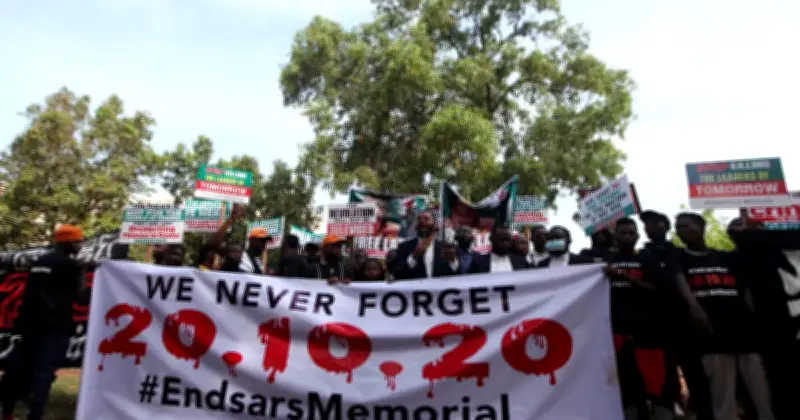
Six years after the #EndSARS protests, Nigerians still remember the movement that united a generation against police brutality and bad governance, from the Lekki Toll Gate shooting to nationwide protests. What started as a peaceful protest against police brutality quickly metamorphosed into a national awakening that shook the country to its core.
The Birth of a Movement: From Police Brutality to Bad Governance
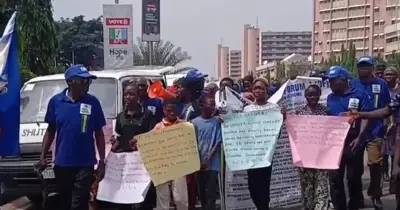
Protesters chanted not only for an end to police brutality but also against bad governance, corruption, and economic hardship, including high unemployment, poverty, and inflation. From Lagos to Abuja, Enugu to Port Harcourt, passionate and determined Nigerians, both young and old, took to the streets demanding justice, dignity, and reform, as well as the scrapping of the notorious but now defunct Special Anti-Robbery Squad (SARS) department of the police.
As the country marks the sixth anniversary of the EndSARS protests, here are eight unforgettable moments that defined that historic period.
The Lekki Toll Gate Shooting: A Turning Point
This was the moment that totally changed everything. Peaceful protesters waving Nigerian flags, chanting their demands and singing the national anthem were shot at by men of the Nigerian Army at the Lekki Toll Gate plaza in Lagos. The incident, now widely referred to as the Lekki Massacre, was captured on live video and posted on social media. These clips sent shockwaves across the world and became a painful symbol of the struggle and the cost of demanding justice in Nigeria.
Though both the Lagos State and the Federal governments have denied killing protesters at the Toll Gate, the Lekki Massacre has remained etched in the memories of many Nigerians.
Nationwide Protests and a Rare Display of Unity
The EndSARS protests started in Lagos but soon spread like wildfire across over 20 states, including Abuja, Oyo, Rivers, Delta, Plateau, and Kaduna. Nigerian youths, both at home and abroad, came together in one voice, which was a rare display of national unity. The streets were flooded with placards, chants, and peaceful movements demanding the end of police brutality, corruption and the eradication of SARS.
During the protests, Nigerians showed a genuine level of love and solidarity. Celebrities and other affluent people provided food, water, medical aid, and even supported fellow protesters with means of transportation. While the food and water distribution went on under the hot scorching sun, protesters in Lagos were also musically entertained as some artists like Falz, Runtown, Timi Dakolo, Vector and DJ Switch, just to mention a few, brought their talents on display to turn a civil disobedience into a sort of concert.
Global Support and the Iconic Image of Aisha Yesufu
The hashtag #EndSARS became a global phenomenon, trending for days across Twitter (now X), Instagram, and Facebook. Celebrities like Beyoncé, Rihanna, Nicki Minaj, and Drake joined in solidarity. At the same time, international media houses like CNN, BBC, and Al Jazeera reported the news and simultaneously amplified the voices of Nigerian youth. The #EndSARS was one of the strongest social media advocacy movements Africa had ever seen.
One of the most powerful visuals of the protests was the viral image of Aisha Yesufu, a prominent activist, standing boldly with her fist raised high while surrounded by police personnel. Her image is a representation and a symbol of courage and resilience, a strong reminder that the fight for justice knows no gender or age.
Curfews, Violence, and the Aftermath
As the protests intensified, many state governments, including Lagos, Rivers, and Edo, declared curfews in a bid to restore peace and order. Unfortunately, the imposed curfews led to more chaos in some areas, as clashes erupted between protesters, thugs, and security operatives.
While the movement began peacefully, violence erupted in several locations. According to reports, some police officers were attacked and killed as an act of retaliation, leaving behind their families and colleagues mourning the tragic incidents. This marked one of the darkest moments of the protest.
In the aftermath of the Lekki incident, violence spread rapidly across the country. Commercial buses were burnt, several TV stations like TVC, LST, Max FM and Police stations were attacked, supermarkets and malls like Shoprite were looted in cities like Lagos and Benin. Journalists and TV reporters like Channels reporter, Ayo Makinde and others, were also harassed while covering the events, a sad reflection of how a peaceful protest changed into nationwide unrest.
Six years later, the echoes of #EndSARS still linger. It was more than a protest; it was a generational cry for change, justice, transparency and accountability. The movement may have ended, but the memory of those days remains deeply sewn into Nigeria’s history.