Federal Civil Servants Issue Strike Ultimatum to Tinubu Administration
Civil servants across Nigeria have escalated tensions with the federal government by issuing a firm deadline for the resolution of long-standing salary disputes. The Joint National Public Service Negotiating Council (JNPSNC), representing federal workers, has set Tuesday, March 31, 2026, as the final date for the government to address the delayed payment of a crucial 40% peculiar allowance.
Imminent Nationwide Strike Looms
The labor union has warned that failure by the President Bola Ahmed Tinubu-led administration to comply with their demands will trigger a comprehensive nationwide strike by federal workers. This industrial action would potentially paralyze government operations and administrative services across the country, creating significant disruption to public sector functions.
The core issue centers on the unpaid 40% peculiar allowance that is directly tied to the N70,000 national minimum wage. This wage adjustment was officially enacted into law in July 2024, yet the corresponding allowance payment has been consistently delayed, creating financial hardship for thousands of public servants who rely on this compensation.
Formal Demands and Union Resolve
In a formal letter addressed to the Executive Chairman of the National Salaries, Incomes and Wages Commission (NSIWC), the JNPSNC leadership expressed deep frustration with what they describe as "undue delay in issuing the appropriate circular and salary templates" necessary for processing the allowance payments.
The union's national leadership, including Chairman Benjamin Uyantomni and Secretary Olowoyo Gbenga, emphasized that the withheld allowance has effectively denied public servants their rightful financial entitlements for an extended period. They stated unequivocally that "the patience of thousands of affected workers has been severely overstretched" by the prolonged delay.
The JNPSNC declared at their March 9, 2026 meeting, attended by national presidents and general secretaries of all affiliate unions, that they demand "immediate action on these critical matters." Their resolution included the specific March 31 deadline for a positive response from the NSIWC, with the clear warning that failure would leave the council "with no option but to take necessary action."
Broader Labor Unrest Context
This development occurs against a backdrop of increasing labor unrest within Nigeria's public sector. Recently, electricity workers have similarly threatened industrial action over unmet demands, prompting intervention meetings between the power minister, electricity unions, and Transmission Company of Nigeria management in Abuja.
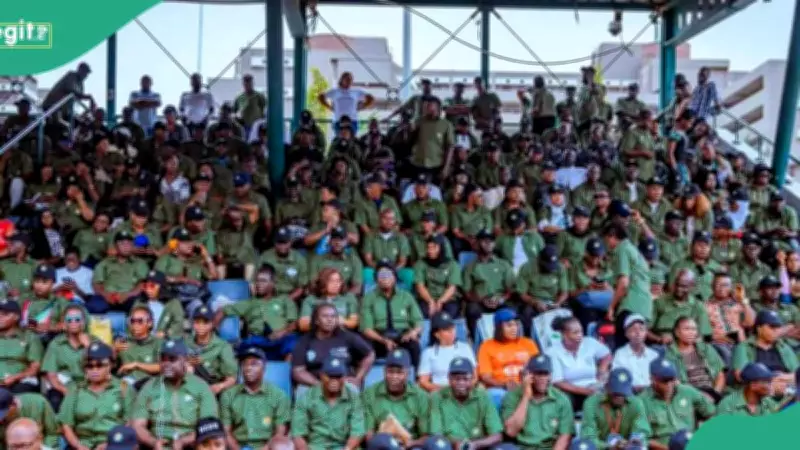
Simultaneously, activities at the Federal Capital Territory Administration (FCTA) and Federal Capital Development Authority (FCDA) were already halted as workers began an indefinite strike called by the Joint Union Action Committee. Union leaders deployed task forces to enforce full compliance, leaving administrative services in Abuja significantly disrupted while management had yet to issue an official response.
The federal government now faces mounting pressure from multiple labor fronts, with the JNPSNC ultimatum representing perhaps the most comprehensive threat to national administrative continuity. As the March 31 deadline approaches, all eyes will be on whether the Tinubu administration can address these financial grievances or whether Nigeria will experience widespread public sector shutdowns.