Governor Hyacinth Alia: The Evolution of a Statesman in Benue State
Before his entry into partisan politics, Reverend Father Hyacinth Iormem Alia was widely recognized and esteemed throughout Benue State as a Catholic priest whose ministry profoundly impacted countless lives. His reputation extended far beyond ecclesiastical circles, resonating deeply with ordinary citizens who perceived him as a genuinely compassionate leader. Through his pastoral assignments, Father Alia gained firsthand exposure to the daily struggles and aspirations of the people, experiences that fundamentally shaped his understanding of governance long before he considered political office.
A Foundation Built on Moral Authority and Public Trust
Through his sermons and extensive humanitarian initiatives, Father Alia gradually emerged as a significant moral authority whose influence transcended religious boundaries. He became particularly renowned for his healing masses, which attracted enormous crowds and positioned him as a beacon of hope for the marginalized and vulnerable. Numerous individuals testified to experiencing spiritual and emotional upliftment through his ministry, fostering an enduring bond between the priest and the masses.
This relationship evolved beyond spiritual connection to encompass social trust, as communities increasingly viewed him as someone authentically committed to their welfare and dignity. As a priest, he consistently emphasized core values of compassion, humility, and accountability—qualities that would later define his political persona. His teachings on justice, fairness, and selfless service resonated powerfully with citizens yearning for ethical leadership in public life.
The Unexpected Political Transition
For many years, Father Alia remained deeply immersed in his ministerial duties with minimal involvement in political affairs. His focus remained steadfastly spiritual and humanitarian, making his eventual decision to enter politics both surprising and intriguing to observers. Few anticipated that the respected Catholic priest would one day seek elective office. However, beneath the surface, his extensive exposure to societal challenges had quietly prepared him for leadership beyond the church walls.
The momentum of his political campaign proved extraordinary, propelling his party—then in opposition within the state—to a decisive victory in the 2023 general elections. His emergence marked a pivotal transformation in Benue's political landscape, with many voters interpreting his success as a triumph of integrity over entrenched political interests. This victory demonstrated the potent force of grassroots mobilization and the compelling appeal of a candidate perceived as genuinely sincere and selfless.
Governance Anchored in Moral Principles
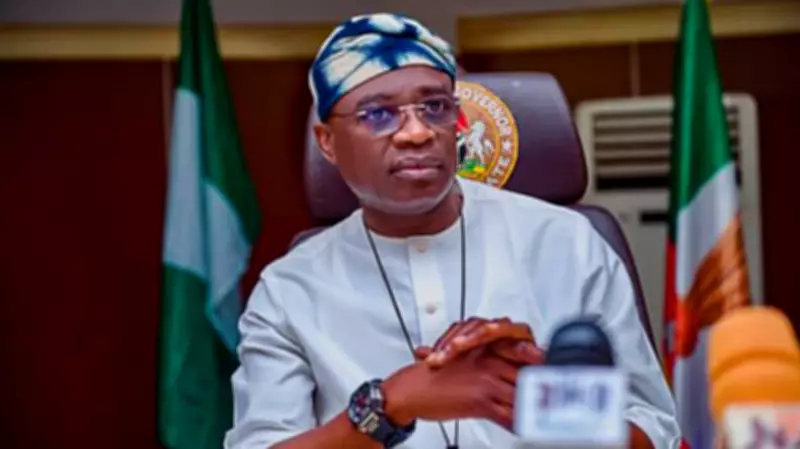
On May 29, 2023, Hyacinth Alia was sworn in as the sixth democratically elected governor of Benue State. This transition from priest to governor carried profound historical and symbolic significance, representing not merely personal achievement but also the populace's desire for a new leadership paradigm grounded in moral values. From that moment forward, Governor Alia entered the national spotlight, attracting attention across Nigeria.
Among his earliest initiatives was the creation of substantial employment opportunities across multiple sectors. Thousands of young people gained positions within the civil service and various government agencies, significantly reducing unemployment rates and restoring hope among the youth demographic. This approach demonstrated his fundamental belief in citizen empowerment as a critical pathway toward sustainable development.
Economic Revitalization and Infrastructure Development
The revitalization of industries under the Benue Investment and Property Company (BIPC) further stimulated economic activity throughout the state. By actively supporting local production and strengthening state-owned enterprises, Governor Alia encouraged greater economic self-reliance. These strategic initiatives not only generated employment but also invigorated local economies, reflecting an economic approach focused on long-term planning rather than short-term political gains.
In infrastructure development, the Alia administration embarked on comprehensive road construction projects, rehabilitation of public facilities, and urban renewal programs. Communities that had long experienced neglect began witnessing tangible development. Improved infrastructure enhanced mobility, facilitated commerce, and strengthened social interactions, with this visible progress significantly bolstering public confidence in his leadership.
Transparency, Accountability, and Political Resilience
Transparency and accountability have remained central pillars of Governor Alia's administration. He consistently emphasizes prudent financial management and responsible governance practices, an approach that has helped rebuild public trust in governmental institutions. Through his promotion of accountability mechanisms, he is gradually reshaping the governance culture within Benue State.
Despite facing resistance from elements of the established political order, Governor Alia's popularity has remained robust. Many citizens continue to support him due to his performance-driven leadership style. His ability to maintain strong grassroots support demonstrates considerable political maturity and resilience—qualities essential for genuine statesmanship.
Youth Empowerment and National Recognition
The governor has strategically fostered youth participation at the highest levels of leadership, enabling young men and women of Benue to actively shape their generation's future. Importantly, he is preparing them for potential roles in national power structures and decision-making processes. This emphasis on youth empowerment also represents a deliberate challenge to traditional political hierarchies.
Governor Alia's selection among those entrusted with organizing the APC convention in Abuja serves as a clear indicator of his rising national influence. This significant responsibility positioned him among leaders shaping Nigeria's political direction while signaling broader recognition of his leadership qualities beyond his home state.
The journey from Reverend Father to Governor Hyacinth Alia illustrates how moral foundation, authentic connection with citizens, and principled governance can converge to create impactful political leadership. His ongoing evolution as a statesman continues to influence both Benue State and Nigeria's broader political landscape.