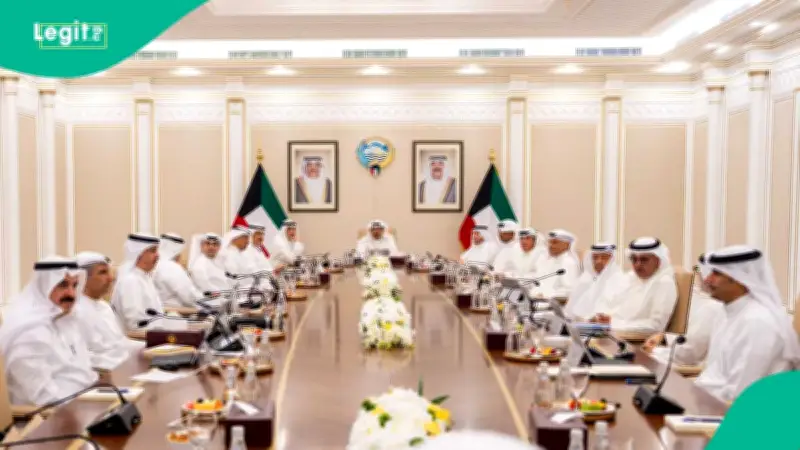
Kuwait's cabinet has declared Thursday, August 27, 2026, a public holiday in observance of the Prophet Muhammad's birthday, with government offices scheduled to reopen on Sunday, August 30. The announcement came out of a cabinet meeting on Tuesday, August 11, 2026, chaired by Prime Minister Sheikh Ahmad Abdullah Al Ahmad Al Sabah. The decision marks Eid ul-Mawlid for the Islamic year 1448 AH, observed on the 12th day of Rabi Al Awwal, the third month of the Islamic calendar.
Three-Day Break for Public Sector Workers
The holiday applies across all ministries, government departments, public authorities and state institutions. Because Thursday falls immediately before the regular Friday-Saturday weekend, public-sector workers will effectively enjoy three consecutive days off before returning to their desks on Sunday.
Government bodies that provide essential or continuous services will not automatically follow the same schedule. According to the cabinet, such institutions will determine their own holiday arrangements through the relevant authorities, with public interest taken into account. This approach is standard practice for entities whose operations cannot be fully paused during official holidays.
Significance and Global Observance of Eid ul-Mawlid
Eid ul-Mawlid is one of the significant occasions observed across Muslim-majority countries each year. Kuwait's official recognition of the day through a formal cabinet decision confirms the holiday arrangements for government employees ahead of the occasion later this month.
Eid ul-Mawlid is observed annually on the 12th day of Rabi’ al-Awwal, the third month of the Islamic lunar calendar. The date varies each year in the Gregorian calendar due to the lunar cycle. The celebration serves as a time to honour the life, teachings, and legacy of Prophet Muhammad, whose message of compassion and justice continues to inspire millions.
Muslims around the world celebrate Eid ul-Mawlid with diverse customs and traditions. In countries such as Nigeria, Indonesia, and Pakistan, the day is marked with vibrant public gatherings, religious observances, and cultural festivities. While the core message remains universal, local expressions of devotion often reflect regional heritage and community values.
Religious, Community, and Charitable Activities
The occasion is deeply spiritual, with Muslims participating in special prayers and sermons that focus on the Prophet’s virtues and teachings. Mosques and prayer grounds host gatherings where worshippers reflect on the Prophet’s role as a moral and spiritual guide, reinforcing their commitment to Islamic principles.
Eid ul-Mawlid encourages Muslims to reflect on the Prophet’s life, including his humility, kindness, and unwavering dedication to justice. Many use the day to renew personal goals rooted in self-improvement and emulate the Prophet’s example in their daily lives.
Across Muslim-majority nations, communities have organised processions, parades, and public events to celebrate the Prophet’s birth. These gatherings often feature Islamic poetry, music, and storytelling, creating a festive atmosphere that brings people together in unity and reverence.
Charitable giving is a central theme of Eid ul-Mawlid. Muslims have donated food, clothing, and money to support the less fortunate, reflecting the Prophet’s teachings on compassion and social responsibility. Many organisations and individuals have used the holiday to launch community outreach initiatives.
Feasting, Education, and Interfaith Dialogue
As with other Islamic festivals, Eid ul-Mawlid is a time for feasting and hospitality. Families have prepared special dishes and sweets, inviting neighbours and friends to share in the celebration. Gift exchanges and warm greetings have further strengthened social bonds.
Islamic schools and religious organisations have hosted educational events to deepen understanding of the Prophet’s life and message. These programmes have targeted both Muslim and non-Muslim audiences, fostering greater awareness and appreciation of Islamic history and values.
In some communities, Eid ul-Mawlid has served as a platform for interfaith dialogue. Events have been organised to bring together people of different religious backgrounds, encouraging respectful conversations and mutual learning about Islam and its teachings.
Above all, Eid ul-Mawlid is a time for reflection and gratitude. Muslims use the occasion to express gratitude for the blessings in their lives. It is also an opportunity to reaffirm their commitment to the values taught by Prophet Muhammad, including compassion, humility and unity.