
Beyond Rhetoric: The Urgent Need for Tangible Action on Women's Liberation in Nigeria
It remains a deeply concerning reality that both global and local initiatives designed to enhance the wellbeing of women and girls as invaluable stakeholders in every society have failed to produce the desired transformative impact on the female population in Nigeria. The so-called weaker sex continues to be visibly afflicted by persistent challenges that systematically render them vulnerable and marginalized within the national framework.
The Chasm Between Acknowledgment and Action
While Nigeria has made some progress in formally acknowledging women as critical participants in nation-building, the country has consistently failed to transition from mere rhetoric to implementing pragmatic and sustained measures that address the multifaceted challenges confronting women across various regions. This failure particularly inhibits women's freedom to develop their potential and make more meaningful contributions to national development.
Liberating Nigerian women from the structural obstacles that prevent them from fully enjoying their rights in a country that professes democratic governance requires both effective governance and genuine political will from leadership to construct a truly egalitarian society. Unfortunately, these essential attributes remain conspicuously absent from Nigeria's leadership landscape, as evidenced by the poor implementation of existing laws, policies, and programs specifically designed to protect women and girls.
Women as Primary Victims of National Crises
Today, women and girls have emerged as the most severely affected victims of Nigeria's myriad problems, particularly the escalating insecurity crisis that plagues numerous regions. There exists an urgent imperative to address the plight of millions of Nigerian women and girls who have become victims of discriminatory practices and various forms of unjust treatment. Nigerian society bears a fundamental responsibility to ensure that women and girls do not come to regret their gender identity.
Fresh concerns regarding the predicament of women and girls recently gained prominence during the commemoration of International Women's Day 2026, where public officials and civil society organizations praised the resilience of Nigerian women while advocating for increased investment in women as a strategic pathway toward national development and inclusive growth.
Political Voices Calling for Change
Senate President Godswill Akpabio characterized women as pillars of strength whose daily efforts continuously shape families, communities, and the nation at large. Deputy Speaker of the House of Representatives Benjamin Kalu emphasized that this year's theme, 'Give to Gain,' highlights the critical importance of investing in women through improved access to resources, quality education, and leadership opportunities to build a stronger and more equitable society.
According to Kalu, societies experience enhanced economic, social, and political vitality when women are provided with the necessary tools and opportunities to succeed. First Lady Oluremi Tinubu advocated for sustained efforts toward advancing the rights, opportunities, and empowerment of women and girls, noting that women's progress constitutes a central component of national development.
Systemic Barriers to Political Participation
Interim National Chairman of the Labour Party Esther Nenadi Usman called for stronger legislative and policy measures to promote the full participation of women in governance and decision-making processes across Nigeria. "Nigeria can only reach its full potential when the voices, talents, and leadership of women are fully deployed and respected in every sphere of national life," she asserted.
The African Democratic Congress, which claims to have allocated forty percent of all party positions to women, similarly advocated for greater inclusion of women in governance structures, stating that women must transition from the margins to the center of leadership and decision-making processes.
The Paramount Issue of Safety and Security
What should take precedence in addressing the plight of women and girls is fundamentally their safety and security. It has become visibly apparent that women and girls represent the most vulnerable demographic in Nigeria's escalating insecurity crisis. When terrorists, kidnappers, and other hardened criminals execute attacks, women and girls consistently constitute the highest number of individuals taken into captivity, where they endure unimaginable hardships including forced marriages, sexual violence, and even death.
Thousands of displaced women and girls who have been forced from their communities continue to suffer extreme poverty, inadequate healthcare services including lack of antenatal care, as well as alleged sexual exploitation by both unknown actors and security operatives within displacement camps. Desperate circumstances frequently compel them to exchange sexual favors for basic necessities like food.
Healthcare Challenges and Maternal Mortality
In other regions across the country, numerous women encounter severe financial difficulties in accessing proper healthcare when they fall ill or become pregnant, often resulting in untimely deaths, particularly during childbirth. The constitutional responsibility of government to provide security and welfare for all citizens demands urgent action to end the insecurity that exposes Nigerian women and girls to various forms of violence, hinders the realization of their life ambitions, and sends many to early graves.
It is somewhat encouraging to learn that the National Health Insurance Authority is developing an initiative to provide access to free caesarean services for pregnant women in approximately one hundred hospitals to reduce maternal mortality rates. Although the number of participating hospitals remains insufficient given that women constitute nearly half of Nigeria's population with many still within childbearing age, this plan offers a glimmer of hope. The program's scope could potentially be expanded to include chronic diseases like cancer and diabetes that require expensive treatments.
Educational Barriers and Early Marriage
Another significant challenge confronting girls, particularly in northern Nigeria, is the persistent practice of early marriage, which poses a serious threat to their educational development. Many of these girls end up as complete illiterates, their innate talents buried, and unable to contribute meaningfully to national development. It is particularly lamentable to witness some leaders perpetuating this anti-women attitude by either directly marrying teenage girls or accepting them as gifts. This egregious cultural practice has become unacceptable in modern times and should be comprehensively eliminated.
The Persistent Political Exclusion of Women
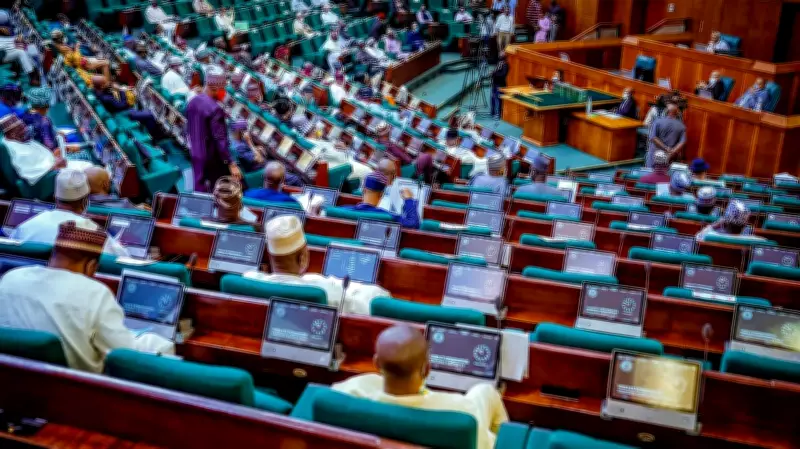
Over the years, vigorous campaigns advocating for greater inclusion of women in Nigeria's political governance structures have failed to yield desired results, consequently depriving the country of women's potential contributions to nation-building. From the National Assembly to state assemblies and down to the legislative houses of the 774 local governments, there appears to be a seeming conspiracy against women becoming lawmakers in Nigeria. Several state assemblies currently have no female members whatsoever. Even within the executive branch of government, women's representation remains woefully inadequate. This narrative must undergo fundamental transformation.
The Path Forward: Collective Responsibility
In anticipation of the desired change, women themselves should demonstrate a genuine desire for liberation by standing in solidarity with one another to encourage broader support. It is particularly disheartening that women often become antagonists of their fellow women during electoral processes. They certainly require an attitude transformation to make a strong statement that they are prepared to assume leadership roles in Nigeria.
The Child Rights Act should be domesticated and implemented by all states across the federation. Furthermore, all existing laws, policies, and programs specifically aimed at improving the wellbeing of women and girls must be respected and fully implemented. This represents a collective task for all Nigerians who aspire to build a more equitable and just society where women's liberation moves decisively beyond mere lip service to become a tangible reality.




