
FIWON Calls for Enhanced Social Protection for Women in Nigeria's Informal Economy
The Federation of Informal Workers Organisations of Nigeria (FIWON) has issued a strong appeal to the government to broaden inclusive social protection measures specifically targeting women engaged in the informal economy. The workers' union emphasized that investing in social protection for women is not merely an act of charity but a strategic economic policy with far-reaching benefits.
Economic Context and Women's Role
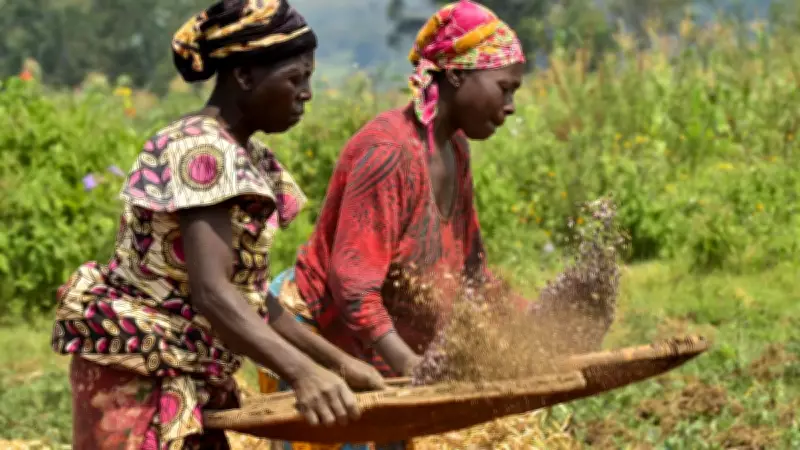
General Secretary of FIWON, Gbenga Komolafe, highlighted that Nigeria's economy is predominantly informal, with approximately 93 percent of employment occurring within this sector, where women constitute a significant portion of the workforce. He noted that women are prevalent in various informal occupations, including market trading, street vending, small-scale food processing, agriculture, domestic work, and home-based enterprises. Despite their substantial contributions, Komolafe pointed out that women remain among the most economically vulnerable workers in the country.
Recent reports indicate that women own about 35 percent of informal businesses in Nigeria, yet they earn considerably less than their male counterparts in the same sector. Specifically, 41 percent of women-owned informal enterprises generate less than N10,000 in daily profit, severely limiting their capacity to save or invest for future stability.
Challenges and Vulnerabilities
Komolafe stressed that many women informal workers lack access to essential social protection mechanisms, such as health insurance, maternity protection, pensions, and income security during crises. For millions of these workers, a single event like an illness, pregnancy, market disruption, or economic shock can devastate their livelihoods and push families into deeper poverty. This vulnerability underscores the urgent need for policy interventions to safeguard their economic well-being.
Proposed Solutions and Advocacy
To address these challenges, FIWON has called for several key measures:
- Universal access to affordable healthcare for informal workers and their families.
- Maternity protection and income security for women during pregnancy and after childbirth.
- Establishment of affordable childcare facilities in markets and informal workplaces.
- Inclusive pension and social insurance schemes tailored for informal workers, with meaningful participation of women in policy-making and social dialogue processes.
Komolafe argued that when women workers are protected, households become more stable, local economies grow stronger, and national development becomes more inclusive. He reaffirmed FIWON's commitment to organizing informal workers and advocating for policies that ensure dignity, security, and social justice for every working woman in Nigeria. "When we give women workers protection, recognition, and opportunity, Nigeria gains," he stated.
Broader Implications for International Women's Day
In alignment with this year's International Women's Day theme, "Give To Gain," FIWON urged governments, institutions, and society at large to invest in women's empowerment. The group emphasized that recognizing the everyday experiences and contributions of women, beyond just celebrating exceptional individuals, is crucial for fostering equitable growth. By supporting women in the informal sector, communities and economies can reap significant benefits, reinforcing the idea that social protection is a smart economic strategy rather than a charitable gesture.




