
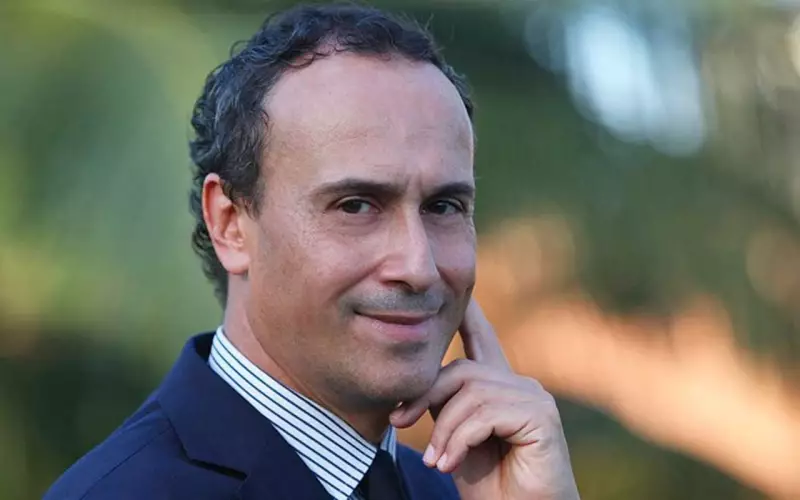
The French government has made a significant financial and strategic commitment to bolster Nigeria's efforts in combating Gender-Based Violence (GBV), positioning women's economic independence as a central pillar of its support. This reaffirmation came as France marked the conclusion of the global 16 Days of Activism Against Gender-Based Violence.
Economic Autonomy: The Core of France's Feminist Diplomacy
French Ambassador to Nigeria, Marc Fonbaustier, in a recent engagement with journalists, underscored that his country's feminist foreign policy places a high priority on the fight against GBV within Nigeria. He stressed that true prevention extends beyond awareness campaigns, directly linking financial freedom to safety.
"We put women and girls at the centre of our projects because reaching economic autonomy is often the first step to being freer and escaping violence," Ambassador Fonbaustier stated. He expressed deep concern over GBV, noting that women and girls are overwhelmingly the victims, a universal reality observed in both Nigeria and France.
Tangible Impact Through the FEF-OSC Programme
The cornerstone of this effort is the French Embassy Fund for Civil Society Organisations (FEF-OSC) Programme. This flagship initiative is dedicated to promoting gender equality and empowering women and girls economically across the nation.
Through the FEF-OSC, France has invested in:
- Skills training for women.
- Small-business development initiatives.
- Community-based resilience programmes.
These projects, numbering 21 and designed locally, are spread across 16 Nigerian states. The programme has demonstrated remarkable efficiency, generating an average social return on investment of N4.3 Kobo in value for every N1 invested.
Ambassador Fonbaustier pointed to the human story behind the statistics, citing the example of Judith Michael, a mother of three from a Benue IDP camp. Through the programme, she acquired fashion and design skills, setting her on a concrete path toward economic independence and personal dignity.
Building a Sustainable Ecosystem with Nigerian Partners
While France is committed to supporting preventive, legal, and community-based interventions, the Ambassador emphasized that the primary responsibility for change rests with Nigerian institutions. He praised Nigerian Civil Society Organisations (CSOs) as the most effective actors in reaching women in remote and hard-to-access communities where state presence may be limited.
The FEF-OSC programme has successfully facilitated 546 partnerships between these CSOs and various stakeholders, including government ministries, traditional rulers, and private-sector actors. This collaborative network has created what Fonbaustier described as a rapidly growing and sustainable ecosystem for GBV prevention and women's protection.
Looking ahead, the Ambassador confirmed that France will continue to expand its gender-focused interventions in Nigeria. He revealed that 100 per cent of France's current development programmes in the country now include a gender component, a standard he noted exceeds the requirements set by the European Union.




