
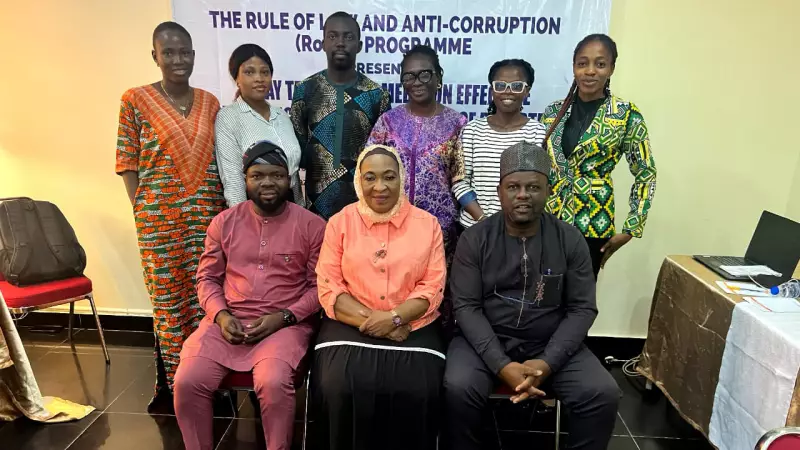
The Women's Rights and Health Project (WRAHP) has concluded a specialised capacity-building programme for media professionals in two Nigerian states. The initiative focused on enhancing the ethical reporting of Sexual and Gender-Based Violence (SGBV) cases.
Strengthening Media's Role in Justice for Survivors
The training was held for practitioners from Lagos and Edo States. It was organised under WRAHP's project, "Scaling up Access to Justice–Related Social Services for Women and Girls Survivors of Sexual and Gender-Based Violence (SGBV) in Lagos and Edo States." The Rule of Law and Anti-Corruption Programme (RoLAC II) provided support for the event.
A total of 20 journalists and media representatives from various organisations in the two states participated. The core objective was to improve the quality of SGBV coverage by promoting survivor-centered, ethical, and rights-based media practices.
Critical Insights from the Executive Director
Addressing participants, the Executive Director of WRAHP, Mrs. Bose Ironsi, underscored the powerful influence of the media. She stated that the media is pivotal in shaping public perception, ensuring accountability, and amplifying the voices of survivors.
"Ethical, accurate, and sensitive reporting is essential to ensuring that survivors are protected and supported rather than retraumatised," Ironsi emphasised. She highlighted that responsible journalism is a key component in advancing access to justice for those affected by SGBV.
Comprehensive Curriculum for Responsible Reporting
The training sessions covered a wide range of crucial topics designed to equip journalists with the necessary knowledge and skills. The curriculum included:
- Understanding the nature and impact of sexual and gender-based violence.
- An overview of legal and policy frameworks addressing SGBV in Nigeria.
- The ethical standards and specific responsibilities of the media when reporting on SGBV.
- Safeguarding principles and protection from Sexual Exploitation, Abuse and Harassment (PSEAH).
- Practical skills for case documentation, follow-up reporting, fact-checking, and handling sensitive survivor information.
- Strategies to strengthen collaboration between the media, justice sector actors, health providers, and civil society organisations.
To ensure the training translates into tangible action, participants were supported in developing practical, individualised action plans. These plans are intended to guide responsible media engagement and efforts to end SGBV within their respective platforms and communities.
The programme, which took place on December 20, 2025, represents a significant step towards building a more informed and empathetic media landscape that prioritises the dignity and rights of survivors while effectively combating gender-based violence.




