Patterns of Opinion Sustaining Plateau's Conflict and Rural Insecurity
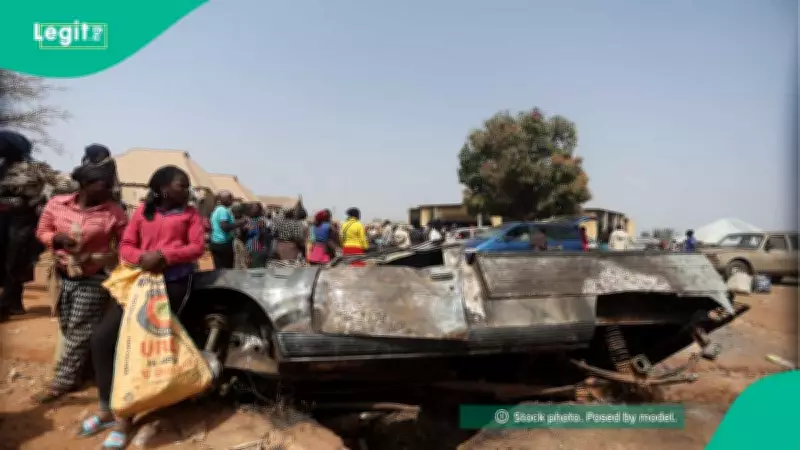
Violence in Jos and across Plateau state has transformed from sporadic outbreaks into a predictable rhythm, with attacks no longer seen as ruptures but as surface tremors of a deeper, patterned insecurity. Between 2023 and 2024, UNICEF documented hundreds of deaths, including children, and over fifteen thousand people displaced into camps and host communities, signaling a systemic operation rather than isolated tragedies.
Economic Warfare Through Strategic Timing
The timing of attacks is rarely accidental, increasingly coinciding with planting and harvesting cycles to ensure fear outlasts the gunfire. A 2024 study highlights what local farmers now term defensive agriculture, where they cultivate only plots near settlements, abandoning more fertile but exposed land. This represents economic warfare, not incidental violence, as unplanted or unharvested fields disrupt food flows into states like Nasarawa, Benue, and Kaduna, driving up prices and turning insecurity into scarcity.
Pastoralists adapt in parallel, moving at night and shifting routes to avoid cattle rustlers, ironically making encounters more volatile. Both sides become more defensive and combustible, illustrating how timing is systemic, not just tactical.
Livelihoods Under Siege and Youth Consequences
The most enduring damage lies in the erosion of everyday life, with markets shrinking, trade routes fracturing under ambush risk, and informal credit collapsing as trust evaporates. News reports from 2024 show climate stress compounding insecurity, leaving farmers unable to harvest and deepening food shortages, turning temporary displacement into semi-permanence.
For young people, the consequences are stark. While national youth unemployment is in single digits, conflict-affected localities in Plateau consistently exceed these averages. With farming and trade constrained, many drift into vigilante formations, informal security roles, or illicit economies like cattle rustling, arms brokerage, and illegal mining, allowing insecurity to reproduce itself through the very livelihoods it destroys.
Beyond Farmer-Herder Binaries
Framing Plateau as a farmer-herder crisis misreads its causes and trajectory. While land and indigeneity remain foundational, environmental stress has altered grazing routes and farming calendars, intensifying contact. Criminal economies have matured, including cattle rustling networks, illicit mining in Wase, and small-arms circulation that lowers the cost of violence. Traditional dispute-resolution structures have weakened or been politicized, creating a hybrid system that is communal in origin, economic in incentive, and insurgent in method.
Governance and Credibility Gaps
The crisis is sustained not only by perpetrators but by the limits of those tasked with stopping it. Government responses often falter in effectiveness and perception, with swift condemnations but scarce clarity, announced investigations but seldom public conclusions, and arrests rarely followed by visible prosecutions. This erodes trust and reinforces impunity as the dominant narrative.
Operationally, the military faces structural constraints, deployed under internal security mandates to respond to dispersed, intelligence-intensive micro-attacks in terrain that favors local knowledge. Poor road networks and limited air mobility delay responses, turning intervention into aftermath, as seen in a 2026 ambush in Kanam that exposed vulnerabilities.
Towards Pragmatic Security Reform
If the pattern is systemic, the response must be layered:
- Hyper-local security architecture: Early warning systems rooted in communities linked to formal structures can transform intelligence into actionable insights, rebuilding trust through consistent engagement.
- Confronting land and indigeneity: Politically sensitive but structurally central, without reform, violence remains a rational instrument for renegotiating access and belonging.
- Treating livelihoods as security: Safe farming corridors, protected market days, and targeted economic support are conflict interventions that undercut the economic logic of violence.
- Visible accountability: Investigations must conclude, and prosecutions must be public to combat doubt.
- Narrative correction: Understanding Plateau as a system of insecurity, not a series of incidents, enables precise policy alignment.
A Population in Quiet Fatigue
The most overlooked dimension is not the violence itself but the patterns sustaining it. High-profile incidents draw attention, yet cycles of micro-attacks, displacement, and disrupted livelihoods persist, normalizing loss and lowering thresholds for retaliation. Fatigue reduces pressure on authorities to innovate, making what once shocked become background and harder to reverse.
Within this fatigue lies critical local knowledge often missed by external discourse. Communities track timing, routes, and warning signs, making Plateau's tragedy a self-explanatory system visible to those who endure it but elusive to resolvers. Addressing it requires local intelligence, sustainable rural development, land reforms, and inclusive governance.