The National Association of Scrap and Waste Dealers Employers of Nigeria (NASWDEN) has announced a strike commencing October 1, citing price cuts and the activities of uncertified buyers. The industrial action threatens to halt scrap metal supplies to iron and steel companies nationwide, potentially leaving metal theft and vandalism of public infrastructure unchecked.
Union's Grievances and Strike Date
Aminu Hassan Soja, NASWDEN's deputy national president, said in a statement that the strike would begin on October 1. The union, which regulates the scrap and waste-dealing chain, listed several reasons for its decision, including the purchase of scrap from unregistered dealers and agents by some iron companies.
“The purchase of scrap from unregistered dealers and agents must be properly regulated and verified to ensure that materials entering the steel industry are obtained through legitimate channels,” Soja said.
Impact on Metal Theft and Public Infrastructure
The strike means that individual scrap collectors who steal metals from homes or vandalise public infrastructure could operate without oversight. NASWDEN's mandate is to turn “waste to wealth,” but its absence removes a key regulator in the chain that moves scrap from collectors to dealers and ultimately to steel mills.
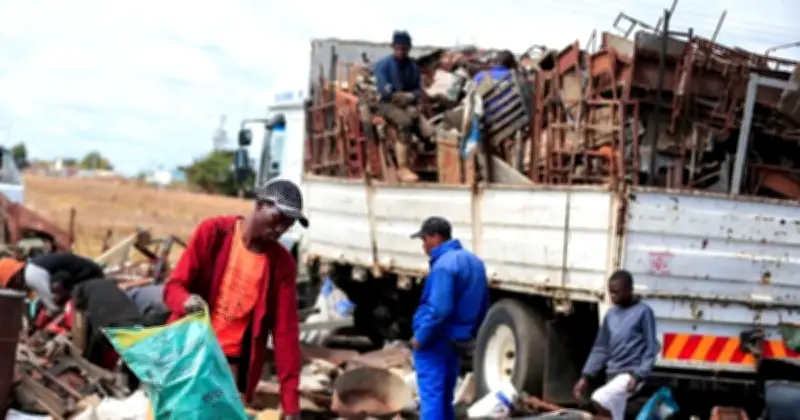
Scrap collectors typically gather discarded metal from neighbourhoods, workshops, construction sites, mechanic yards, and dumpsites. They sell to dealers who accumulate larger quantities for industrial buyers. Without NASWDEN's regulation, the union warns that illegitimate channels could flourish.
Price Cuts and Foreign Involvement
Another reason for the strike is that iron and steel companies have repeatedly cut scrap metal prices with little or no prior notice, causing financial losses for dealers who had already purchased and transported materials at higher prices. Soja added that the “incessant and deliberate reduction in the prices of scrap metals without adequate prior notice has placed considerable financial pressure on our members.”
The union also raised concerns about the increasing involvement of foreigners in the scrap metal business, including the establishment of dumpsites and collection centres across Nigeria. These issues, combined with the threat of unregulated scrap collection, underline the broader implications of the strike for homeowners and users of public infrastructure.