Centre LSD and Traditional Rulers Abolish Harmful 'Money Woman' Practice in Cross River State
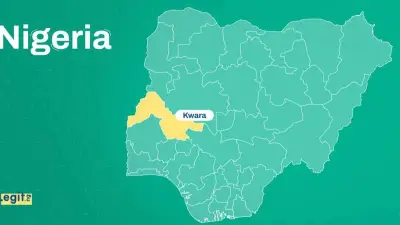
The African Centre for Leadership, Strategy and Development (Centre LSD), in a landmark collaboration with traditional rulers in Cross River State, has successfully abolished the long-standing and harmful "Money Woman" practice in the Becheve communities of Obanliku Local Government Area. This oppressive tradition, which involved giving out young girls in marriage to settle family debts, has been widely condemned as a severe violation of fundamental human rights and a significant driver of gender-based violence in the region.
A Major Breakthrough in Human Rights Advocacy
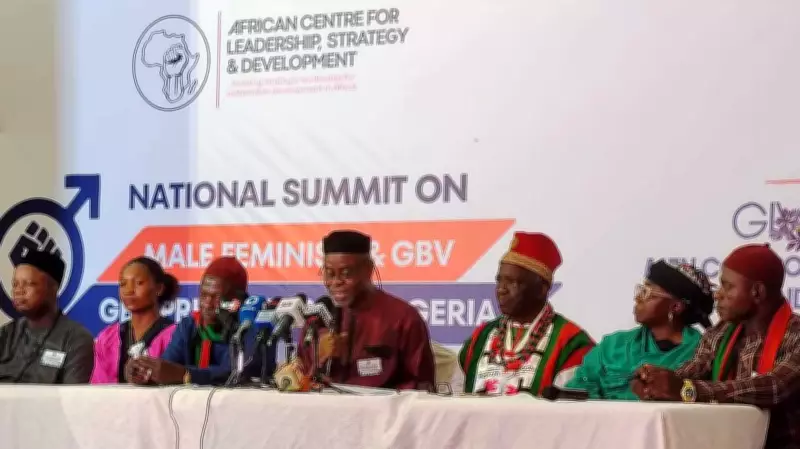
Speaking at a press conference in Abuja during a national summit on male feminism and gender-based violence prevention, the Executive Director of Centre LSD, Dr. Otive Igbuzor, described this development as a major breakthrough in the fight against oppressive cultural practices. He emphasized that the "Money Woman" system systematically denied victims access to education, personal development, and autonomy, while perpetuating cycles of poverty and inequality across generations.
Dr. Igbuzor disclosed that the organisation has raised an impressive N6.2 million to secure the freedom of an initial 57 survivors affected by this practice. He noted that efforts to abolish the practice began in August 2020 under the UN Women-funded Spotlight Initiative, in partnership with the Obanliku traditional council and local authorities, which led to the enactment of a by-law prohibiting the practice.
Community-Driven Resolution and Financial Framework
Igbuzor explained that a renewed round of intensive community engagement with traditional rulers, clan heads, and other stakeholders culminated in a landmark meeting on March 12, 2026, where a consensus was finally reached to end the practice permanently. As part of this resolution, a standard sum of N100,000 was approved as the maximum amount to be paid to secure the release of affected women, replacing arbitrary and exploitative demands that had previously trapped families in debt.
"This marked a turning point from uncertainty and exploitation to fairness, dignity, and clarity," he stated, adding that the entire process was community-driven to ensure sustainability and local ownership. He stressed that many survivors had lived for years without access to education or economic opportunities, noting that empowerment initiatives would now help them rebuild their lives with dignity and independence.
Traditional Leadership Confirms Abolition
Also speaking at the event, the Paramount Ruler of Obanliku Local Government Area, HRH Amos Uyumulam, confirmed that the practice had been completely abolished in all Becheve communities. He detailed that stakeholders agreed that any bride price paid under the system should be refunded—capped at N100,000—to facilitate the release of affected women and restore their freedom.
Uyumulam added that in cases where women choose to remain in their marriages, the funds could be redirected toward their empowerment through education, skills training, or economic support. He commended community leaders and stakeholders for their unwavering commitment to ending this practice, noting that the decision reflects a significant shift toward protecting human dignity while allowing for positive cultural evolution.
Implications for Gender Rights and Community Development
The abolition of the "Money Woman" practice has been hailed as a significant step in addressing gender-based violence and advancing the rights of women and girls in Cross River State. This development not only liberates current and future generations from a harmful tradition but also sets a precedent for other communities grappling with similar oppressive practices.
The collaborative approach between civil society organizations like Centre LSD and traditional institutions demonstrates a powerful model for sustainable social change, balancing respect for cultural heritage with the imperative to uphold universal human rights. As empowerment programs roll out for survivors, this initiative promises to transform lives and foster greater gender equality in the region.