Violent Protests Erupt in South Africa Over Installation of Nigerian Igbo King
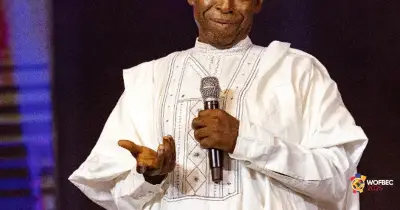
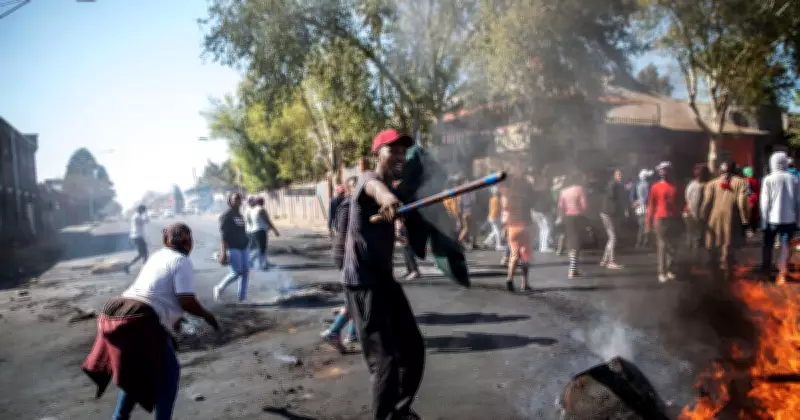
Violence has erupted in South Africa's Eastern Cape province following protests against the installation of a Nigerian traditional leader, escalating into chaos as demonstrators torched vehicles and attacked properties believed to belong to foreign nationals. The unrest occurred in East London, a coastal city in the Eastern Cape, where groups gathered to oppose the coronation of Solomon Ogbonna Ezike as the leader of the Igbo community residing in the region.
Escalation of Violence and Property Damage
According to reports, the protest quickly turned violent as demonstrators set several vehicles on fire and targeted buildings allegedly linked to foreign nationals. Emergency services and firefighters were urgently called to the scene as flames engulfed parked panel vans, trucks, and other vehicles. Police officers were deployed to restore order and implemented crowd-control measures, including the use of stun grenades, to disperse protesters as tensions heightened significantly.
The installation of Ezike as "Igwe Ndigbo," a traditional title used to represent Igbo communities outside Nigeria, has sparked strong opposition from some South African groups. Critics argue that recognizing a foreign traditional ruler within South Africa undermines local traditional leadership structures and raises serious concerns about national sovereignty.
Background on the Igbo Title and Diaspora Leadership
The Igbo title "Igwe" is commonly used in southeastern Nigeria to refer to a traditional monarch who represents and leads a community. In diaspora communities, similar titles are sometimes adopted to coordinate cultural activities and provide leadership for migrants. However, this development has drawn significant backlash from certain community organizations and activists who firmly believe that foreign nationals should not establish traditional leadership institutions within South African territory.
Protest organizers initially described the march as a demonstration against what they termed the "installation of a foreign king." Unfortunately, the situation deteriorated rapidly as some participants began attacking vehicles and property associated with foreigners. Authorities have not yet released an official estimate of the total damage caused by the unrest, and it remains unclear whether any arrests have been made in connection with the violent incidents.
Long-Standing Tensions and Xenophobic Undercurrents
This incident also highlights the long-standing tensions surrounding immigration and xenophobia in South Africa. Over the years, foreign nationals from several African countries—including Nigeria, Zimbabwe, and Somalia—have occasionally been targeted during protests linked to unemployment, crime concerns, and economic frustration. The current unrest underscores the deep-seated issues that continue to simmer beneath the surface in some communities.
As investigations continue, local authorities are expected to thoroughly review the circumstances surrounding both the protest and the controversial installation ceremony that triggered the unrest. For now, the situation remains tense as officials work diligently to restore calm in the affected communities and prevent further escalation of violence.