Tears, Hunger, and Fear as Taraba Tiv Women Plead for Urgent Help Amid Violence
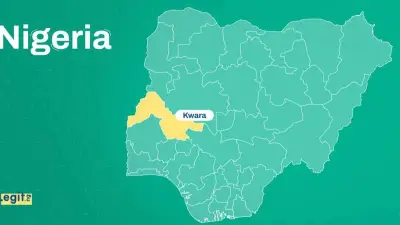
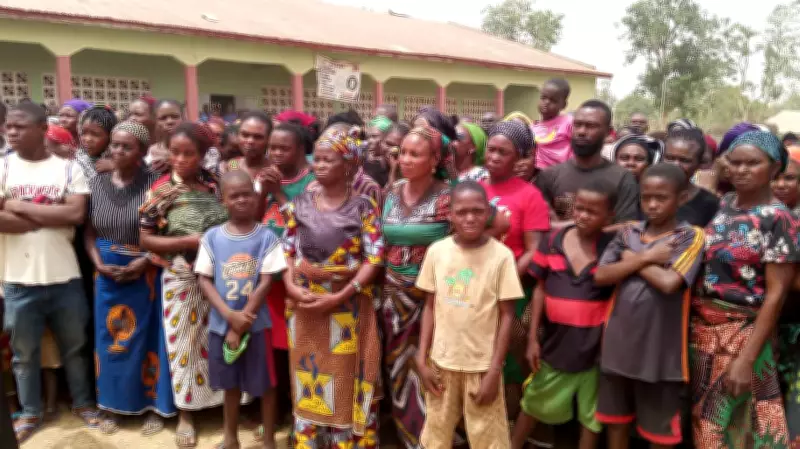
In the once-peaceful farming communities of Takum and Donga local government areas in Taraba State, a profound sense of grief and uncertainty now dominates the daily existence of hundreds of Tiv women. Their lives have been shattered by relentless violence, transforming their agrarian way of life into a struggle for survival. Previously sustained by farming and strong family bonds, many of these women now find themselves widowed, homeless, and displaced, with no access to the farmlands that once ensured their livelihood and food security.
Desperate Appeal to Leaders
Over the weekend, the women, hailing from communities such as Adu, Gbundu, Demevaa, Tor-Damisa, and New Gboko, made a desperate plea to President Bola Ahmed Tinubu and Taraba State Governor Agbu Kefas. They called for immediate intervention to halt the ongoing attacks and restore peace to their ravaged homelands. Speaking on behalf of the group, their leader, Mrs. Msughshima Tersugh, described a grim reality of a people pushed to the brink of despair. "We have lost our husbands, our homes, and our farms. Our children are hungry, and we don't know how long we can survive like this," she said, her words echoing the deep anguish shared by many in the community.
Escalating Violence and Destruction
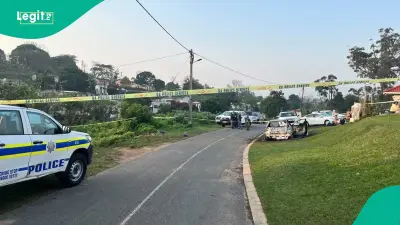
According to Tersugh, the attacks, attributed to suspected armed groups, began intensifying in October of last year. Since then, entire villages have been devastated, with homes set ablaze and farmlands destroyed, leaving families scattered and vulnerable. The violence has not only displaced residents but has also crippled their primary means of livelihood. For these agrarian communities, farming is more than just an occupation—it is their lifeline, essential for sustenance and economic stability.
Looming Humanitarian Crisis
With the rainy season approaching, fears are mounting among the displaced women. The inability to return home and cultivate crops threatens to exacerbate an already dire situation, raising serious concerns about widespread hunger and food insecurity in the coming months. "We are pleading with the governor and the President to help us with security so we can go back to our farms. Farming is our only means of survival," Tersugh appealed, highlighting the urgency of their plight.
Beyond the immediate loss of lives and property, the women warn of a looming humanitarian crisis. Many families, already weakened by displacement, now face the prospect of missing an entire farming season—a setback that could have long-term consequences on food supply and economic stability in the region. They are urging the Taraba State Government to take swift action by:
- Deploying adequate security personnel to protect lives and property.
- Facilitating the safe return of displaced persons to their communities.
- Preventing further escalation of the crisis through proactive measures.
For these women, the call is simple yet urgent: restore peace so they can rebuild their lives and secure a future for their children. Until then, hope remains fragile, and survival hangs in the balance, with each day bringing new challenges in the face of ongoing violence and uncertainty.