Mass Convictions in Terrorism and Kidnapping Cases
Twelve defendants have been sentenced to death by hanging, while dozens of others received long prison terms in terrorism and kidnapping cases prosecuted by the State Security Service (SSS), according to court documents reviewed by PREMIUM TIMES. Those condemned to death were convicted of terrorism, conspiracy, kidnapping, murder, arms trafficking, and aiding terrorist groups.
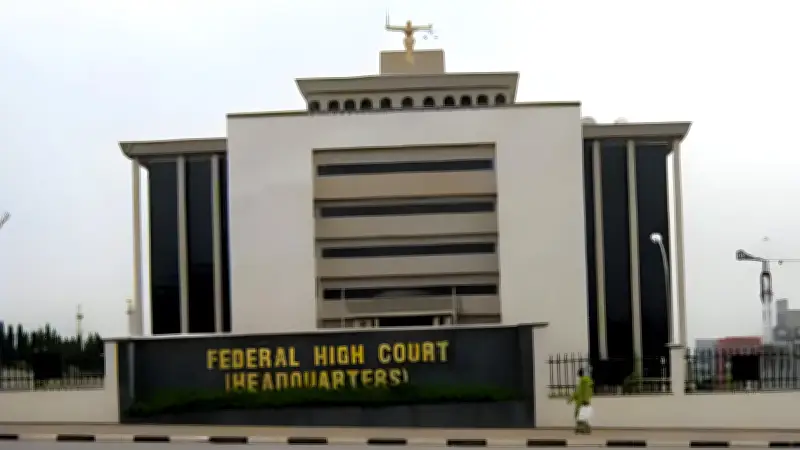
A highlight of the development is the 3 June sentence by the Federal High Court, which sentenced Idris Omeiza, Alqasim Idris, Jamiu Abdulmalik, and Abdulhaleem Idris to death by hanging over the 5 June 2022 attack on St. Francis Catholic Church, Owo, Ondo State. Dozens of other defendants received sentences ranging from two years to life imprisonment in terrorism trials held between 15 and 18 June in various federal and state high courts.
Charges and Convictions
The SSS charged the convicts with offences including terrorism, membership of Boko Haram, the Islamic State West Africa Province (ISWAP), and the Indigenous People of Biafra (IPOB), rendering support to terrorist organisations, gun running, concealment of information, and terrorism financing.
Among those convicted during the June 15 to 18 mass trials, Abdullahi Mohammed Mustapha received the death sentence after being convicted on terrorism charges. The remaining convicts received various prison terms depending on the offences established before the court. Several were found guilty of membership of Boko Haram or ISWAP, while others were convicted for providing material support, concealing information, gun running, or participating in terrorist activities.
Long Prison Terms
The stiffest custodial sentence was imposed on Inuwa Bala, who was sentenced to 50 years' imprisonment for gun running. Saleh Idris received 45 years for membership of Boko Haram. Rabiu Umar and Ndukwe Iroha Kalu each got 40-year prison terms; Mr Umar was convicted of rendering support to terrorists, while Mr Kalu was convicted for membership of the proscribed IPOB. Shamsudeen Ibrahim received 35 years for rendering support to terrorists.
Other lengthy sentences included: Yusuf Sani (30 years for terrorism), Suleiman Halilu (25 years for rendering support to terrorists), Usman Musa Yaman (25 years for concealment and rendering support), Ridwan Onasoga Abiodun (25 years for ISWAP membership), Isa Shuaibu (15 years), Umar Muhammed (10 years for concealment), Umar Bashiru (20 years for concealment), Mohammed Shaffi Balarabe Umar (20 years for terrorism), Alhaji Modu Ibrahim (20 years for terrorism), Kyari Abubakar (20 years for rendering support), Modu Kurambe (20 years for concealment of information on ISWAP), Babagana Tijani (20 years for concealment), Halima Abdullahi (20 years for aiding and abetting terrorism and concealment), Safiya Salihu (20 years for aiding and abetting terrorism and concealment), Aisha Modu Aji (20 years for rendering support and concealment), Abdullahi Suleiman (15 years for Boko Haram membership), and Rukayat Ohunene Ismaila (5 years for concealment).
The court documents show that some prison terms commenced from the dates of arrest, while others were to run concurrently where defendants were convicted on multiple counts. One defendant, Abel Ugwuoke, was sentenced to 20 years on several counts and life imprisonment on two additional counts.
IPOB-Related Convictions
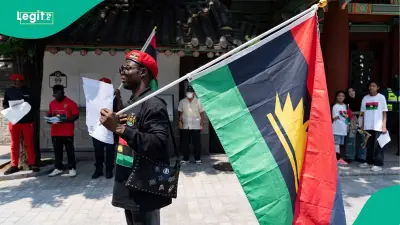
The documents also show convictions involving offences linked to IPOB. Among those convicted were: Ndukwe Iroha Kalu (40 years for IPOB membership), Ferdinand Uchenna Edeh (20 years for IPOB membership), Onyedikachi Michael (20 years for IPOB membership), Abel Ugwuoke (20 years plus life imprisonment on additional counts for IPOB membership), Godwin Ejiofor Okolo (10 years for IPOB membership), and Esther Egbom (5 years for rendering support to IPOB members). Two defendants were also convicted of concealing information relating to the sale of ammonium nitrate.
Separate June Convictions
Apart from the mass trials, the SSS also secured several convictions in state high courts during the month.
Ekiti
On 20 May, the Ekiti State High Court sentenced Ibrahim Abubakar and Abdullahi Abubakar to death by hanging after their conviction for conspiracy to murder, murder, and kidnapping. According to the charge sheet, the defendants were accused of conspiring to murder Taiwo Adesina after kidnapping him in March 2022.
Kogi
On 16 June, the Kogi State High Court sentenced Jibrin Halilu to death by hanging. Court documents show he was charged with conspiracy to kidnap and kidnapping after investigators alleged he abducted hotel owner Andrew Offo, collected N2.5 million in ransom, and killed the victim despite the payment. The prosecution relied on witness testimony, the defendant's extra-judicial statement, and video evidence.
Katsina
On 15 June, the Katsina State High Court sentenced Hauwa'u Mukhtar to death by hanging. She was convicted after prosecutors accused her of acting as an ammunition courier for a suspected bandit leader and transporting 438 rounds of 7.62mm live ammunition intended for terrorist operations.
Sokoto
On 22 June, the Sokoto State High Court sentenced Yusuf Muhammad (alias Salau), Jabbi Yalle, and Kabiru Maradun to death by hanging. Court documents alleged they conspired to import and sell prohibited firearms, including AK-47 rifles, PKT machine guns, and ammunition to armed groups operating in Sokoto, Kebbi, Zamfara, and Katsina states.
Owo Church Attack
On 3 June, the Federal High Court sentenced Idris Omeiza, Alqasim Idris, Jamiu Abdulmalik, and Abdulhaleem Idris to death by hanging after their conviction over the 5 June 2022 attack on St. Francis Catholic Church, Owo, Ondo State. The charge accused the defendants of belonging to a terrorist group, planning the attack, and participating in the assault that killed more than 40 worshippers and injured over 100 others. Court documents indicate that a fifth defendant, Momoh Otuho Abubakar, also faced charges in the case.
Previous Wrongful Detention Reviews
The review of prolonged detention cases comes alongside the SSS's ongoing prosecution of terrorism and other security-related offences. The service says it has continued to re-examine inherited cases to ensure that individuals wrongly detained are identified and released. Among the cases is that of Nura Idris, a Kaduna herder who was released in June after spending about two years in SSS custody over alleged links to Boko Haram. Following a review that found no basis for the allegations, the service ordered his release and paid him N3 million in compensation.
Earlier, Sunday Ifedi was freed in December 2025 after investigators found no evidence linking him to the proscribed IPOB. He received N10 million in compensation, while the SSS also announced plans to rebuild a restaurant owned by his late wife, who died in custody. The service said it has reviewed more than 30 inherited cases and paid over N300 million in compensation to individuals found to have been wrongfully detained. Other beneficiaries include Abuja businesswoman Chineze Ozoadibe, who received N10 million after her release in October 2025, Kenneth Nwafor and five others wrongly linked to IPOB, as well as Ya'u Mohammed of Yobe State, who received a N2 million reintegration support package after investigations cleared him of terrorism allegations.
Pattern of Prosecutions
The June convictions reflect an increasing reliance on coordinated mass trials to dispose of terrorism-related cases involving alleged members or supporters of Boko Haram, ISWAP, and other violent groups, as well as prosecutions involving kidnapping, illegal arms trafficking, and offences linked to IPOB. The convictions come days after the Federal Government commenced another round of mass terrorism trials at the Federal High Court in Abuja. On 15 June, the Attorney General of the Federation and Minister of Justice, Lateef Fagbemi, led the prosecution as more than 600 terrorism suspects were arraigned on charges including terrorism, membership of proscribed groups, terrorism financing, and failure to disclose information on terrorist activities.
The latest proceedings followed an earlier phase of the mass trials conducted in April, during which government figures showed that 386 defendants were convicted, while two were acquitted and eight discharged. The June convictions formed part of that broader effort to prosecute terrorism-related offences through coordinated mass trials.