Human Rights Catastrophe Unfolds in Nigeria's Southeast
Amnesty International has exposed a devastating human rights crisis in Nigeria's southeastern region, documenting the deaths of more than 1,800 people within a two-and-a-half-year period. The international human rights organization released comprehensive data showing that at least 1,844 individuals lost their lives between January 2021 and June 2023 across five states: Abia, Anambra, Ebonyi, Enugu, and Imo.
Brutal Attacks and Systematic Violence
The report paints a grim picture of coordinated violence perpetrated by various armed groups, including so-called unknown gunmen, local militias, and state-backed security forces. One particularly harrowing case detailed in the investigation involves the execution of traditional ruler HRH Eze Ignatius Asor and two visiting chiefs on November 14, 2022.
According to eyewitness accounts, approximately 30 armed men arrived at the monarch's palace in Obudi Agwa community, Imo State, traveling in a convoy of Sienna buses. The attackers opened fire in the palace courtyard before cold-bloodedly executing the traditional ruler and his guests. Shockingly, more than 16 bullets were fired into the traditional ruler's body before the assailants fled the scene. No arrests have been made in connection with this brutal killing.
Cycle of Violence and Impunity
The current wave of violence traces back to 2019 when armed factions began enforcing sit-at-home orders linked to the Indigenous People of Biafra (IPOB), a banned separatist group advocating for the restoration of the Biafra Republic. While IPOB has consistently denied involvement in civilian killings, Amnesty's findings indicate that various splinter cells now operate independently, launching coordinated assaults on police stations, markets, and public officials.
Imo State has borne the brunt of this violence, recording more than 400 deaths between 2019 and 2021—a figure many believe to be significantly under-reported. Anambra and Ebonyi states follow as the next most affected regions. Since December 2022 alone, over 100 additional fatalities have been documented, with victims falling prey to midnight raids, assassinations, and reprisal attacks.
Amnesty International described the attackers' methods as "calculated and terroristic". In communities like Oguta, Izombe in Imo State, and Lilu in Anambra State, residents have fled en masse as gunmen impose illegal levies, loot livestock, and burn homes. The report notes that traditional institutions, which typically serve as mediators in local disputes, have been systematically decimated.
Security Forces Accused of Human Rights Violations
The crisis is compounded by serious allegations against government security forces and the regionally established Ebube Agu security network. Created in 2021 by southeast governors to address insecurity, Ebube Agu now faces accusations of arbitrary arrests, torture, and summary executions.
According to Amnesty International, these dual layers of violence—from non-state actors and security agencies—have created a climate of profound fear and mistrust. Families seeking justice for victims often face intimidation, while police investigations remain stalled or inconclusive.
"The lack of accountability emboldens perpetrators," Amnesty stated. "Communities now live between the terror of the gunmen and the fear of those meant to protect them."
Economic Devastation and Continuing Violence
The persistent violence has crippled the region's economy, with many small businesses shutting down due to constant stay-at-home orders. Farmers and traders avoid major highways for fear of ambush, further exacerbating economic hardship.
The situation continues to deteriorate, with recent incidents underscoring the ongoing crisis. In May 2025, at least 30 travelers were killed when gunmen attacked vehicles along the Okigwe–Owerri highway in Imo State, setting over 20 vehicles ablaze. This attack occurred just weeks after 15 villagers were abducted in Anambra and four policemen were killed in a separate ambush near Ezza North in Ebonyi.
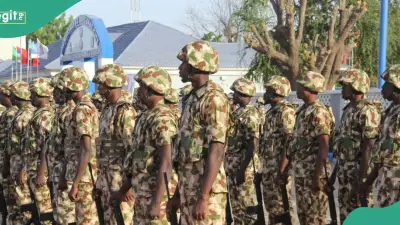
The Nigerian Defence Headquarters has denied Amnesty's claims, maintaining that armed forces operate strictly within the law and conduct measured, intelligence-driven operations in volatile areas. However, civil society groups and local media continue to document reports of extrajudicial killings and property destruction during military raids.
Call for Justice and Accountability
Amnesty's 2025 report, titled "A Decade of Impunity," calls on the federal government to prioritize justice and accountability for victims. The organization urges Abuja to establish an independent judicial panel to investigate all killings, disappearances, and torture cases in the southeast, while providing compensation to victims' families.
The report also demands an end to the militarization of civilian spaces and greater oversight of regional security outfits. "Security must not come at the cost of human rights," the report emphasizes. "Without justice, peace in the south-east will remain elusive."
Amnesty International has issued a stark warning to Nigerian authorities: "Act decisively to prevent Nigeria's south-east from sliding into another full-blown conflict zone." The organization's findings, drawn from victim interviews, police reports, and media verification, represent what it describes as a decade of impunity in the country's troubled southeastern region.