Ibadan Entrepreneur Shares Cautionary Tale After Losing N300,000 to Sophisticated Scam
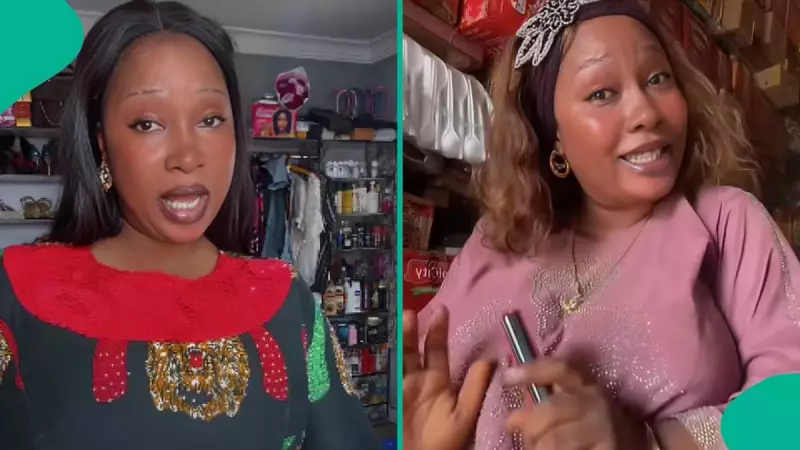
An Ibadan-based businesswoman has publicly shared her distressing experience after falling victim to an elaborate scam that cost her approximately N300,000. The entrepreneur decided to issue a stern warning to her colleagues in the business community, revealing the substantial financial loss she suffered before realizing she had been deceived.
The Elaborate Scam Unfolds
In a detailed video account that has circulated on social media platforms, the businesswoman explained how the scammers executed their scheme with precision. According to her testimony, the fraud began when a man visited her shop asking for a specific brand of fertiliser called "Yolo." When she informed him that she did not stock that particular product, he departed without further discussion.
Shortly thereafter, two additional individuals entered her establishment, both requesting the same Yolo fertiliser. Their coordinated approach aimed to create an artificial demand for the product, convincing the shop owner of its market potential and profitability.
The Deceptive Sales Pitch
After these initial encounters, another man arrived at her shop claiming to be a supplier of the Yolo fertiliser. He proposed a consignment arrangement, suggesting she stock the product and only pay him after selling the entire inventory. "The man came, said he sells the product and I should put it in my shop, and once I sell it finish, I should just give him the money when he comes," she recounted.
Convinced by the apparent demand and the supplier's flexible payment terms, the businesswoman invested approximately N300,000 to purchase ten cartons of what she believed was genuine fertiliser. She anticipated significant sales based on the earlier customer inquiries.
The Shocking Discovery
Six months passed without a single sale of the Yolo fertiliser. Growing suspicious, the entrepreneur decided to inspect the product more closely. To her horror, she discovered that the cartons contained nothing but water and red oil instead of fertiliser. The realization that she had been victimized by an organized scam operation left her devastated both financially and emotionally.
Public Warning to Fellow Entrepreneurs
The businesswoman has since taken to social media to alert other business owners about this sophisticated scam targeting retailers. "They are targeting business owners now," she warned emphatically. She urged her colleagues to exercise extreme caution when considering new products or suppliers.
In her own words: "Be careful out there. If you haven't used something before, if you don't know it very well, don't buy it." Her message emphasizes the importance of thorough verification before making substantial business investments.
Mixed Social Media Reactions
The businesswoman's experience has sparked diverse reactions across social media platforms. Some users expressed sympathy for her predicament, while others shared similar encounters with fraudulent schemes. One commenter noted: "The one they did for me like 15 years ago in Adelabu market in Orita was worse than this," highlighting that such scams have persisted for years.
Another user reflected on the broader implications: "Thank you, Ma. One needs to wake up these days and thank God for life and start thinking about what bad humans can do to each other." These responses underscore the widespread nature of business fraud and the need for increased vigilance within Nigeria's entrepreneurial community.
Broader Context of Fraud Awareness
This incident occurs amidst ongoing warnings from various authorities about sophisticated scams targeting Nigerians. Recently, the Police Service Commission alerted citizens about fake recruitment portals circulating on social media, emphasizing that no official police recruitment was currently underway. Such parallel warnings highlight the evolving nature of fraudulent schemes across different sectors.
The Ibadan businesswoman's experience serves as a stark reminder that even seasoned entrepreneurs can fall prey to well-orchestrated scams. Her decision to share her story publicly demonstrates courage and community responsibility, potentially preventing others from suffering similar financial losses.