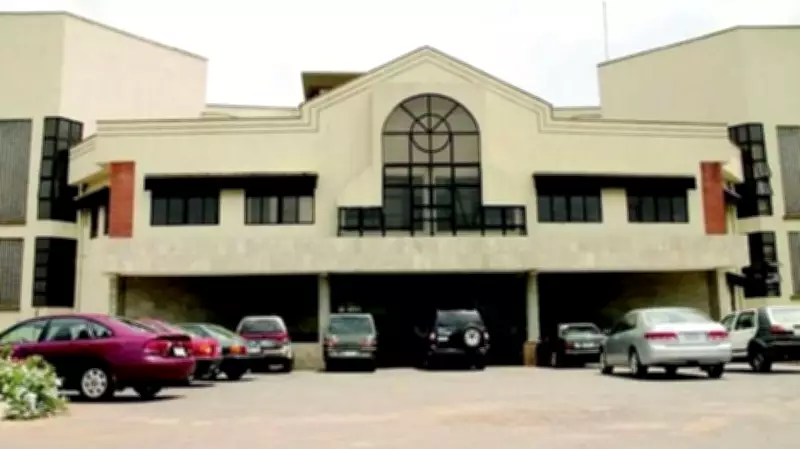
Medical and dental consultants at the Delta State University Teaching Hospital (DELSUTH) have issued a stark warning, threatening strike action if urgent measures are not taken to address the hospital's severe decline. The consultants lamented non-functional equipment, degraded infrastructure, manpower shortages, and critical funding gaps that have transformed the once world-class quaternary health centre into a facility struggling to provide basic primary and secondary care, with tertiary services frequently interrupted.
Background of the Crisis
DELSUTH, commissioned in 2010 by former President Goodluck Ebele Jonathan, now faces a multitude of challenges. During the university's 18th convocation a fortnight ago, the Vice Chancellor of Delta State University (DELSU), Prof. Samuel Asagba, highlighted underfunding issues and urged the Delta State government to intervene. The Medical and Dental Consultants Association of Nigeria (MDCAN), DELSUTH chapter, in a statement signed by Dr. E. Abolodje (Chairman) and Dr. I. A. Nwajei (Secretary), detailed the dire situation.
Infrastructure and Operational Challenges
The consultants reported that the hospital grapples with exorbitant electricity bills, occasionally exceeding 50 million Naira, which drain revenue and force power rationing, including in administrative blocks. Water and sanitation problems persist, with frequent sewage and wastewater overflow leading to offensive odors and heightened epidemic risks. Basic clinical equipment such as sphygmomanometers, stethoscopes, diagnostic sets, weighing scales, thermometers, and X-ray machines are non-functional. Patients requiring X-ray services often receive care outside the hospital due to the lack of a functioning UPS.
Wards, clinics, and offices suffer from non-functional air conditioning and many non-working fans, making patient care environments uncomfortable and inefficient. Staff frequently fund repairs themselves to keep essential services running. The theatre complex operates below acceptable standards with poor lighting, inadequate instruments, malfunctioning equipment, and a shortage of surgical materials.
Leadership and Governance Issues
MDCAN stressed that the hospital's leadership has been marked by a protracted Acting Chief Medical Director (CMD) succession, despite a duly conducted election for a substantive CMD more than three months ago. The election result has been forwarded to the Ministry, but no official comment or resolution has been made. A recent protest by the host community in front of the hospital highlighted dissatisfaction with appointment slot allocations, underscoring governance and stakeholder relation gaps.
Staff Exodus and Manpower Shortages
MDCAN revealed that DELSUTH is experiencing an out-migration of medical consultants to other facilities such as the National Orthopaedic Hospital Benin and Federal Medical Center Ovwian, following the National Salary Income and Wages Commission's Revised Professional Allowances implemented in February 2026. Critical staff in virtually all departments—Nursing, Pharmacy, Laboratory Sciences, and Resident physicians—are grossly inadequate.
Demands and Ultimatum
MDCAN urged immediate attention to stabilize governance by installing and empowering a substantive CMD and a functional Board in line with the hospital's establishing Acts. They demanded restoration of hospital operations through repair or replacement of essential equipment, reliable power via a resilient UPS system, and addressing water, sanitation, and air-conditioning shortcomings. They also seek uninterrupted tertiary services by providing surgical, diagnostic, and therapeutic devices for specialties, and maintaining DELSUTH as Delta State's apex training institution. The association issued an ultimatum for strike action if authorities fail to address these issues immediately.