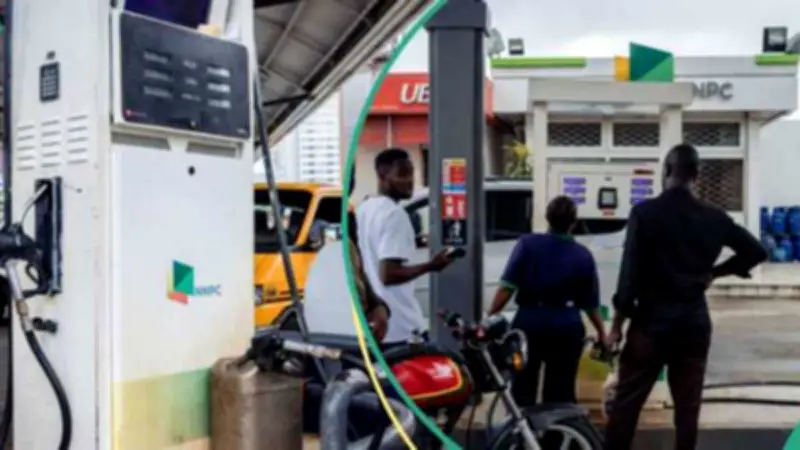
FCCPC Issues Strong Warning to Petrol Marketers
The Federal Competition and Consumer Protection Commission (FCCPC) has issued a stern warning to petroleum marketers, cautioning them against exploiting consumers by maintaining high pump prices for Premium Motor Spirit (PMS), commonly known as petrol, despite a significant decline in international crude oil prices. In a statement released on Sunday, June 28, 2026, the Commission stated that its ongoing monitoring of Nigeria's downstream petroleum sector revealed that consumers are not fully benefiting from the reduction in crude oil prices.
Price Adjustments Insufficient Compared to Crude Oil Drop
According to the FCCPC, the price adjustments announced by refiners, depot operators, and marketers in recent weeks have been too small relative to the substantial drop in global crude oil prices. The Commission noted that crude oil prices have returned to levels comparable to those recorded earlier in the year, yet retail petrol prices remain considerably higher. Before the spike in global oil prices, petrol sold for between ₦800 and ₦900 per litre. However, during the period of heightened geopolitical uncertainty, pump prices climbed to between ₦1,350 and ₦1,500 per litre. Although international crude prices have since fallen significantly, petrol is still selling for an average of about ₦1,200 per litre in many parts of the country, while some domestic refiners continue to quote ex-depot prices ranging from ₦1,025 to ₦1,075 per litre.
Consumers Should Benefit from Market Competition
The FCCPC acknowledged that several factors influence domestic fuel prices, including exchange rate movements, refining costs, transportation, financing, and distribution expenses. Nevertheless, it stressed that consumers should enjoy the benefits of lower crude oil prices through fair and competitive pricing in a deregulated market. The Commission emphasized that deregulation does not give businesses the freedom to exploit consumers or engage in conduct that distorts competition.
FCCPC Threatens Sanctions Over Unfair Pricing Practices
Executive Vice Chairman and Chief Executive Officer of the FCCPC, Tunji Bello, stated that although the Commission does not fix petrol prices under Nigeria's deregulated downstream petroleum sector, it has a legal responsibility to prevent exploitative and anti-competitive practices that harm consumers. Bello questioned why marketers are often quick to increase pump prices whenever international crude oil prices rise but are reluctant to reduce prices when global market conditions improve. He maintained that deregulation does not give businesses the freedom to exploit consumers or engage in conduct that distorts competition. According to him, the Commission will investigate any credible complaints of price manipulation, anti-competitive behaviour, or other violations of the Federal Competition and Consumer Protection Act and will not hesitate to impose appropriate sanctions where necessary. He also encouraged Nigerians to continue reporting suspected cases of unfair pricing, market manipulation, and other anti-consumer practices through the FCCPC's official complaint channels.
Public Concern Over Slow Petrol Price Reductions
The warning comes amid growing public concern over the pace of petrol price reductions, despite a series of recent price cuts announced by some refiners and marketers following the decline in global crude oil prices. The FCCPC's statement reinforces the government's position that consumers must benefit from lower global oil prices.
FG Orders Marketers to Reduce Fuel Cost
Meanwhile, Legit.ng earlier reported that the Federal Government has urged petroleum marketers to reduce petrol prices in line with the recent decline in global crude oil prices. The Minister of State for Petroleum said the government cannot fix fuel prices because the downstream petroleum sector is fully deregulated. He added that the Nigerian Midstream and Downstream Petroleum Regulatory Authority (NMDPRA) will continue to monitor the market to prevent unfair pricing while insisting that deregulation has improved fuel supply.