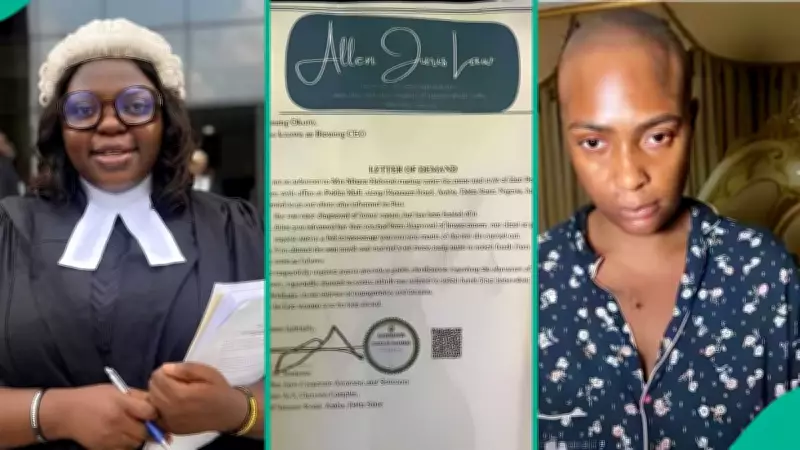
Lawyer Specifies Potential Prison Sentences for Influencer Blessing CEO in Alleged Medical Report Scandal
A Nigerian lawyer has provided a detailed analysis of the potential legal consequences facing influencer Blessing Okoro, widely known as Blessing CEO, following allegations that she altered and used a cancer patient's medical report to solicit donations online. This development comes after the family of the patient released the original report and issued a demand letter, urging Blessing CEO to address the forgery claims.
Legal Expert Weighs In on Criminal Offenses
Barrister Confidence Aribibia, in a Facebook post, highlighted three criminal offenses that Blessing CEO could be charged with if the allegations are proven in court. The lawyer emphasized that this case transcends social media drama, representing serious criminal conduct with severe penalties.
The offenses listed include forgery, which involves altering or presenting a document as genuine when it is not. Under Nigerian law, this crime carries a potential imprisonment term of up to 14 years. Additionally, identity theft under cybercrime statutes, for using another person's personal or medical information online, could result in up to 7 years in prison.
Potential for Lengthy Incarceration
Perhaps the most severe charge is obtaining money under false pretenses, which pertains to collecting donations based on false claims. This financial crime is heavily punished in Nigeria, with sentences reaching up to 20 years imprisonment. If found guilty on all counts, Blessing CEO could face a cumulative prison term that underscores the gravity of the allegations.
The controversy began when Blessing CEO claimed to have been diagnosed with stage four cancer and subsequently shared a medical report online to solicit public donations. However, investigations revealed that the report allegedly belonged to another individual, a cancer patient currently hospitalized and fighting for their life.
Broader Implications for Online Trust
Beyond the legal ramifications, Barrister Aribibia pointed out the societal impact of such actions. The lawyer questioned how such incidents might erode public trust, making people skeptical of genuine appeals for help online. This manipulation of emotions through social media platforms raises concerns about the authenticity of viral stories and the importance of verifying information before contributing financially.
The family of the affected patient has been vocal, with the brother issuing an ultimatum and demanding accountability. As the case unfolds, it highlights the intersection of social media influence, ethical conduct, and legal accountability in Nigeria's digital landscape.