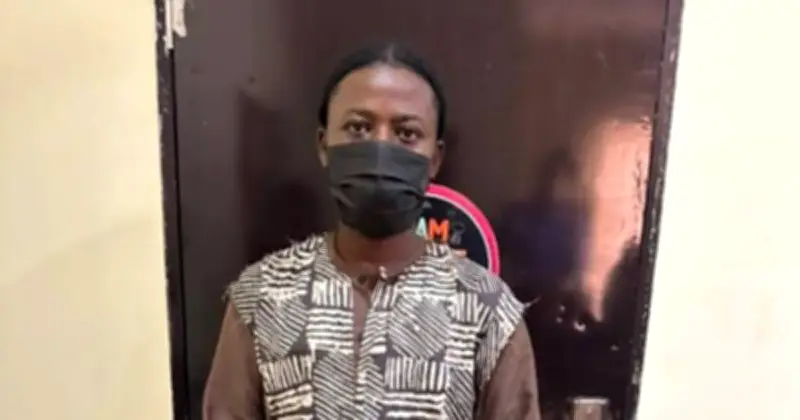
Ogun State Police Command has arrested Adewale Arojah for allegedly cloning the Facebook page of Prophet Muyiwa Akogun and using it to defraud unsuspecting victims of more than ₦18 million. The suspect was arrested by officers from the Ilaro Division following a complaint filed by Akogun on October 3, 2026. Police say Arojah admitted to posing as the prophet during questioning.
How the Fraud Was Uncovered
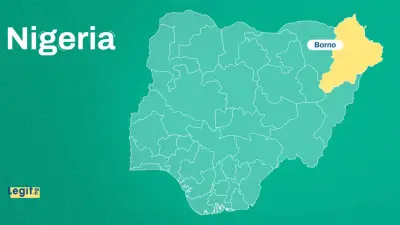
Prophet Muyiwa Akogun, known online as "Prophet Dr Muyiwa Akogun," reported to the police that people had been contacting him to say they were being scammed in his name through a duplicate profile he had nothing to do with. The command's spokesman, DSP Oluseyi Babaseyi, said detectives used online monitoring and intelligence work to trace the suspect to a village in Ajegunle, along the Ilaro/Ibogun axis, where he was arrested.
According to the police, Arojah cloned the prophet's Facebook page to deceive people seeking spiritual help. He allegedly used the prophet's identity to hand out fake prophecies and sell prayer services, focusing on people who came to the prophet's page seeking spiritual support. Police say he built their trust before taking their money.
Victims in Nigeria and Abroad
Investigators allege that Arojah collected more than ₦18 million from victims in Nigeria and abroad. The police described Arojah as a prophet's son but did not explain how, if at all, he is connected to Akogun. The command has not said how many victims there are or whether any of the money has been recovered.
Arojah has been transferred to the State Criminal Investigation Department in Eleweran, Abeokuta, where investigators will work out how far the scheme went, whether others were involved, and whether he can be prosecuted. Commissioner of Police Bode Ojajuni praised the Ilaro officers for the speed of the operation.
Police Urge Public to Verify Identities
The command said the arrest shows its intent to break up online fraud networks and curb identity theft. It urged the public to verify the identities of religious leaders and public figures before engaging with them or sending money online. This case highlights the growing risk of impersonation on social media platforms, where fraudsters exploit trust for financial gain.