A horrific case of mob justice unfolded in Ondo State, resulting in the brutal death of a man accused of sexually assaulting a woman with disabilities. The incident, which has sent shockwaves through the community, saw enraged locals take the law into their own hands with extreme violence.
A Grisly Act of Vengeance
The tragedy began when a man was accused of raping a disabled woman. The allegation sparked immediate and intense fury among residents. According to reports, a mob swiftly apprehended the suspect. The crowd did not hand him over to the police. Instead, they subjected him to a vicious and fatal beating. The violence did not end with his death. In a further act of mutilation, the mob hacked off his genitals. They then tied a rope around his remains and dragged the body through the streets, a grim spectacle meant to serve as a stark warning.
Community Outrage and Police Response
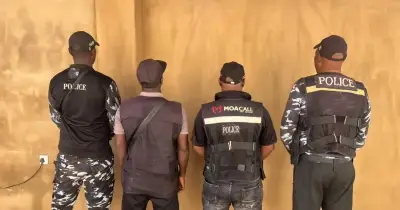
The lynching highlights the deep-seated anger and frustration within communities over perceived failures in the justice system, particularly regarding crimes against vulnerable individuals. Such acts of mob justice, while illegal and condemned by authorities, are often fueled by a desire for instant retribution. The Ondo State Police Command is expected to investigate the incident, though apprehending individuals in such collective violence cases presents significant challenges. The police typically warn against vigilante actions, emphasizing that they undermine the rule of law.
The Underlying Issues of Crime and Instant Justice
This event underscores a critical issue in many parts of Nigeria: the public's dwindling patience with formal judicial processes, especially for heinous crimes like rape. The attack on a disabled woman, a member of society considered doubly vulnerable, likely amplified the collective rage that led to the lynching. While the mob's actions are unlawful, the incident forces a conversation about the effectiveness of law enforcement, the protection of the vulnerable, and the societal triggers for such extreme street violence. It remains a tragic example of how allegations can spiral into irreversible brutality outside the confines of legal procedure.
The aftermath leaves a community traumatized, a family in mourning, and serious questions about how to prevent such gruesome episodes in the future. It serves as a somber reminder of the thin line between seeking justice and perpetuating a cycle of violence.