The Nigerian Bar Association (NBA) is at a crossroads as ethno-tribal caucuses attempt to enforce micro-zoning for the presidency, threatening the association's independence and electoral integrity. The dispute, rooted in conventions and constitutional amendments, has led to court battles and a controversial report recommending election postponement and National Identification Number (NIN) integration.
Historical Context of NBA Leadership Rotation
The NBA's leadership rotation system originated from conventions designed to accommodate Nigeria's regional diversity. After a crisis in 1992 during military rule, the association introduced a delegate system in 2000, later reverting to universal suffrage in 2015. A constitutional amendment divided the country into three zones—Northern, Eastern, and Western—for rotating key positions like President, Vice-Presidents, and General-Secretary.
However, the constitution does not specify who determines micro-zoning within zones. This ambiguity has empowered ethno-tribal groups such as the Arewa Lawyers Forum, Eastern Bar Forum, Egbe Amofin Oodua, Middle-Belt Lawyers Forum, and Mid-West Bar Forum to mediate candidacies informally.
Current Crisis: Egbe's Micro-Zoning Demand
For the 2026 presidency, which rotates to the Western zone, the Egbe (Yoruba lawyers' association) micro-zoned the position to a specific part of South-West Nigeria and endorsed Muyiwa Akinboro (SAN). However, other aspirants—Yemi Akangbe (SAN) and Oyinkan Badejo-Okusanya (SAN)—refuse to step down. The Egbe sued at the High Court in Ibadan, obtaining interim injunctions against the NBA's election process, which the NBA appealed.
On 11 June, the Attorney-General of the Federation (HAGF) convened a meeting with living past NBA presidents. A three-person subcommittee comprising Wole Olanipekun (SAN), Lanke Odogiyan, and Paul Usoro (SAN) was formed. The majority report by Olanipekun and Odogiyan recommended postponing elections to August, integrating NIN as a voter identifier, ending universal suffrage, and upholding the Egbe's micro-zoning. Paul Usoro's minority report disputed the subcommittee's mandate, arguing it was limited to brokering amicable settlement.
Impossible Conditions and Independence at Risk
The Olanipekun-Odogiyan report's recommendation to integrate NIN is impractical, as bureaucratic and data integration requires collaboration between the Supreme Court and NIMC, impossible before August. Critics argue this sets impossible conditions to force the current leadership's tenure to lapse, potentially enabling government to end the independent bar, similar to the military's 1992 intervention.
The HAGF endorsed most recommendations in a document titled "Directions and Outcomes," but even he rejected the Egbe's ethno-tribal imposition. On 8 July, the Court of Appeal declined his attempt to bypass ongoing cases. Judgment is awaited.
Election Proceeds as Scheduled
Pending court rulings, the NBA's leadership election is likely to proceed on 18 July under court protection. Two offices will be returned unopposed, while eight will be contested. Voter eligibility has grown from 72,071 in 2024 to 82,213 in 2025—a 14.07% increase, the largest in NBA history.
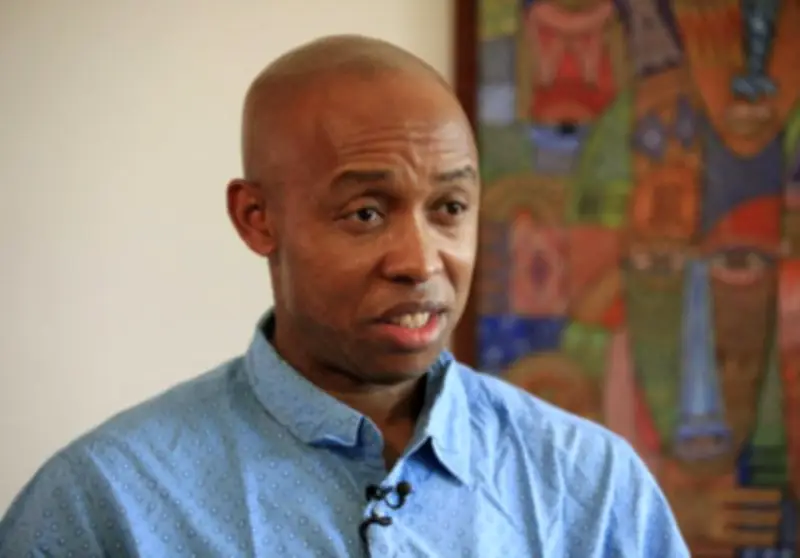
Chidi Anselm Odinkalu, a lawyer and professor at the Fletcher School of Law and Diplomacy, contributed this analysis. The outcome will determine whether the NBA remains independent or succumbs to ethno-tribal vetoes.