Nigerian Man Sentenced to 78 Months in US for $5 Million COVID Relief Fraud and International Money Laundering
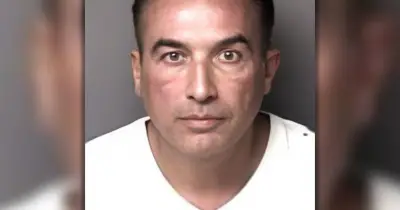
A 34-year-old Nigerian man, Adepoju Babtunde Salako, has been sentenced to 78 months of imprisonment in the United States after pleading guilty to charges of wire fraud conspiracy and money laundering conspiracy. The United States Attorney’s Office for the District of Colorado announced the sentencing on March 4, 2026, marking a significant outcome in a high-profile case involving extensive financial crimes.
Guilty Pleas and Restitution Orders
As part of his plea agreement, Salako, who resides in Philadelphia, Pennsylvania, also agreed to plead guilty to seven additional counts of wire fraud in the District of Alaska. In addition to his prison sentence, the defendant was ordered to pay $2,581,002.50 in restitution to the victims of his crimes. This restitution aims to compensate those affected by the fraudulent schemes that exploited government relief programs during the COVID-19 pandemic.
Complex Fraud Schemes Targeting Relief Funds
According to court documents, throughout most of 2021, Salako was part of a conspiracy that stole more than $5 million from various government programs. These included the Paycheck Protection Program (PPP), the Economic Injury Disaster Loan (EIDL) program, and 30 state unemployment programs. The federal government had launched these initiatives in response to the COVID-19 pandemic to provide economic relief to businesses and individuals.
In one scheme, Salako and two co-conspirators used stolen identity information to fraudulently obtain PPP loans and unemployment benefits. They also submitted false applications for EIDL loans, exploiting the urgency and scale of the relief efforts. In another scheme, co-conspirators primarily located in Nigeria used stolen identities and enlisted romance scam victims to acquire government funds. Salako’s role involved receiving money from these romance scam victims and government agencies, then laundering the fraud proceeds—primarily to China and Nigeria—for a fee of approximately 25 percent.
Official Statements Condemning the Crimes
United States Attorney for the District of Colorado Peter McNeilly strongly condemned the actions, stating, “Mr. Salako and his criminal associates exploited innocent people and stole millions of dollars from American taxpayers. We are committed to finding and prosecuting fraudsters and, as this sentence demonstrates, these criminals will pay a serious price for their actions.”
Amanda Prestegard, Special Agent in Charge of the IRS Criminal Investigation Denver Field Office, added, “Salako was the point man in the U.S. for an international criminal organization that preyed on honest business owners and taxpayers, while also jeopardizing our national security. Our special agents are experts at uncovering complex financial crimes, and today’s sentence is an example of their great work, our relationships with the U.S. Attorney’s Office, and our federal and state law enforcement partners.”
Matthew Modafferi, Special Agent in Charge of the United States Postal Service Office of Inspector General, Northeast Area Field Office, emphasized the commitment to integrity, saying, “The U.S. Postal Service Office of the Inspector General is committed to upholding the integrity of the Postal Service and its workforce. Our office will continue to investigate those who choose to breach the public’s trust and engage in fraudulent activity. The sentence imposed on the defendant stands as a clear warning that serious consequences await anyone who exploits government resources to commit criminal acts.”
Investigation and Sentencing Details
The investigation was handled by the IRS Criminal Investigation Denver Field Office, the USPS Office of Inspector General, and the Colorado Department of Labor and Employment. United States District Judge Charlotte N. Sweeny presided over the sentencing, ensuring that justice was served in this case of international fraud and money laundering.
This case highlights the ongoing efforts by U.S. authorities to combat financial crimes, particularly those exploiting emergency relief programs. It serves as a stark reminder of the severe penalties faced by individuals involved in such fraudulent activities, regardless of their location or nationality.