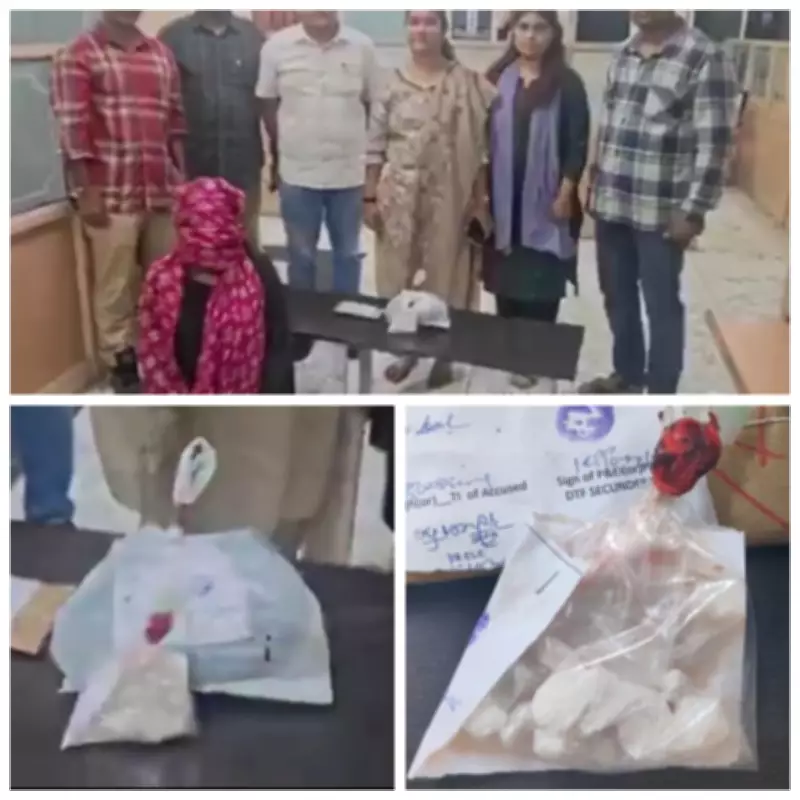
Nigerian Woman Arrested in India with Cocaine Valued Over N3 Million
A Nigerian woman has been apprehended by authorities in India for allegedly possessing cocaine with an estimated street value exceeding N3 million. The arrest occurred in the city of Secunderabad, following a targeted operation by law enforcement agencies.
Details of the Arrest and Seizure
The accused, identified as James Tesling Yamyunal, was taken into custody by the Drugs Task Force (DTF) on Friday, April 3, 2026. She was found in possession of 7.5 grams of cocaine, which authorities valued at approximately Rs 2.35 lakh. This amount translates to over N3 million in Nigerian currency, highlighting the significant financial stakes involved in the case.
Yamyunal was intercepted near Sunshine Hospital in the Paradise area of Secunderabad. The DTF acted on a specific tip-off indicating that a Nigerian national was transporting drugs from Mumbai to Hyderabad. This intelligence-led operation underscores the ongoing efforts by Indian authorities to combat international drug trafficking networks.
Investigation and Alleged Trafficking Plan
Investigations revealed that Yamyunal had allegedly procured the cocaine in Mumbai at a rate of Rs 15,000 per gram. She was reportedly planning to sell the substance in Hyderabad for Rs 30,000 per gram, effectively doubling her purchase price. This markup suggests a calculated attempt to profit from the illicit drug trade, targeting the Hyderabad market for distribution.
The case has been handed over to the Secunderabad Excise Station for further legal proceedings. Authorities are likely to pursue charges related to drug possession and trafficking, which could carry severe penalties under Indian law. The involvement of a Nigerian national in such activities abroad raises concerns about the international dimensions of drug crime and its impact on Nigeria's global reputation.
This incident follows a pattern of similar arrests involving Nigerians in foreign countries, often linked to drug-related offenses. It highlights the need for enhanced cross-border cooperation and preventive measures to address the root causes of such criminal behavior.