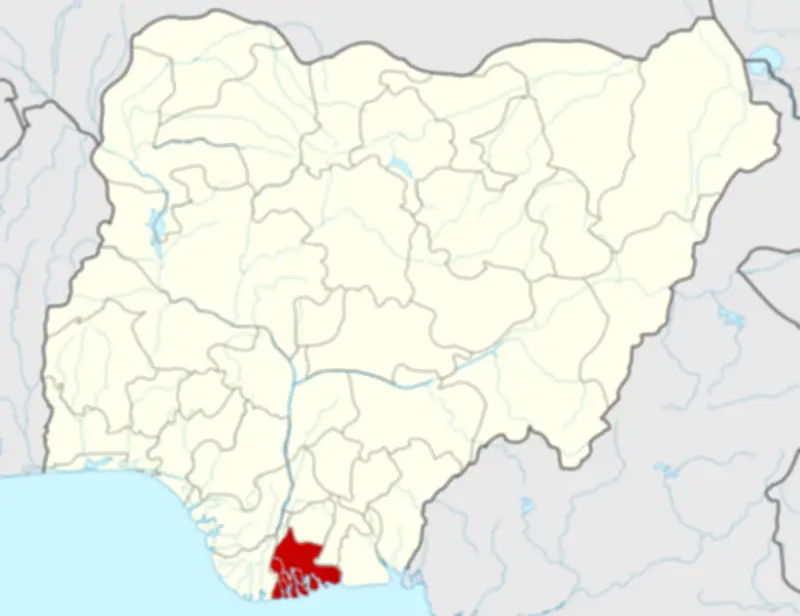
Commercial motorcycles, popularly known as Okada, will be banned from transporting passengers in Obio/Akpor Local Government Area of Rivers State starting 1 August. The directive, announced by council Chairperson Gift Worlu on Thursday in Port Harcourt, aims to tackle insecurity, improve road safety, and restore order on major roads.
Council Cites Security and Traffic Concerns
Worlu stated that the policy follows concerns over the role of commercial motorcycles in traffic violations, road crashes, and criminal activities. “The council, after careful consideration and in the overriding interest of residents, has resolved to implement this policy to enhance the protection of lives and property across the local government area,” he said.
Exemptions for Private Bikes and Logistics
The ban applies only to commercial motorcycles carrying passengers. Privately owned motorcycles used for lawful personal purposes remain allowed, provided operators comply with traffic regulations. Approved dispatch riders, licensed couriers and logistics companies, emergency responders, and security agencies are also exempt.
Worlu said enforcement will be carried out jointly by security agencies and authorised council officials. He urged operators to use the period before 31 July to make alternative arrangements, adding that public sensitisation campaigns will begin ahead of implementation.
Penalties and Impact Not Specified
The statement did not specify penalties for violators, indicate how many commercial motorcycle operators would be affected, or announce measures to cushion the economic impact of the policy.
Mixed Reactions from Residents
The announcement has triggered mixed reactions. Many support the security objective but express concern about the livelihoods of thousands of riders who depend on commercial motorcycles for daily income. Reacting to a Facebook post by Wazobia FM 94.1, some commenters argued that authorities should provide alternative transportation and employment options before enforcing the ban.
“The concerns about safety and security are understandable, but what about the economic implications?” wrote Igwe Raymond. Another user, Joy Chinna, urged the council to create alternative jobs for affected riders, warning that many families depend on income from commercial motorcycle operations.
Others warned of unintended consequences. “It is going to cause an increase in crime rate,” commented Prince Faith, arguing that some riders might resort to other means of survival if they lose their jobs. Chukwuka Ogobunwa supported the security objective but urged the government to provide alternative income sources, saying the implementation timeline appeared too short given prevailing economic hardship.
Some residents suggested that many riders might relocate to neighbouring Oyigbo Local Government Area, where no restrictions have been announced.
Part of Broader Trend in Nigeria
The Obio/Akpor directive is the latest in a series of restrictions on commercial motorcycle operations across Nigeria, often citing insecurity, public safety, and traffic management. Rivers State adopted a similar policy in 2008 under former Governor Rotimi Amaechi, prohibiting commercial motorcycles on major roads in Port Harcourt and parts of Obio/Akpor after authorities linked some operators to armed robbery, violent crime, and rising road accidents.
More recently, Abia State banned commercial motorcycles in the metropolitan areas of Aba, Umuahia, and Ohafia due to security concerns. Unlike the Obio/Akpor directive, Abia complemented the restriction with compulsory motorcycle registration, rider enumeration, identification measures, and a broader enforcement framework involving security agencies.
Akwa Ibom State has continued to enforce its longstanding prohibition on commercial motorcycles within Uyo metropolis. In 2023, the state government reiterated that the ban remained in force despite repeated violations, warning that enforcement would continue as part of efforts to improve public safety and traffic management. The government said commercial tricycles remained the approved alternative for public transportation within the affected areas.