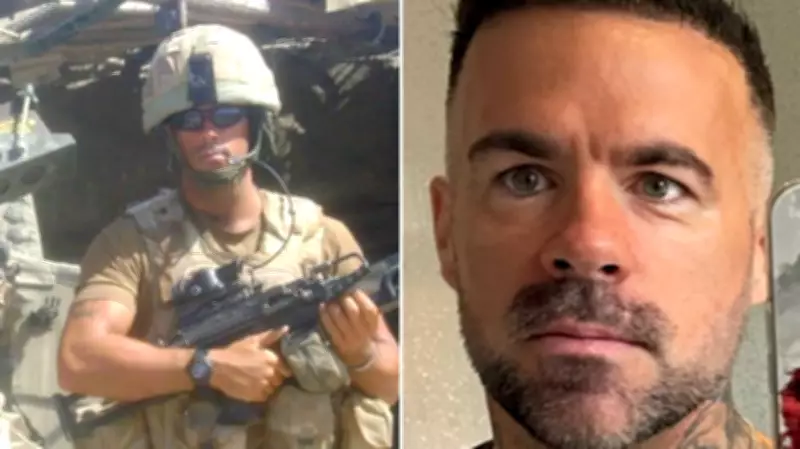
A former prison officer who served in Iraq and Afghanistan has been awarded more than £82,000 after an employment tribunal ruled he was unfairly dismissed due to post-traumatic stress disorder (PTSD). Morgan Armstrong, an army veteran, worked at HMP Manchester between 2019 and 2023. He was dismissed after taking 98 days off work linked to his PTSD, despite the condition being recognised as a disability under UK law.
Conflicting Communications from Prison Service
The tribunal heard that the Prison Service issued conflicting communications regarding disciplinary action. On more than one occasion, Armstrong was told he faced formal warnings, but was then given written confirmation stating no action would be taken. This inconsistency created confusion and added to his distress.
Judge Rejects Claims of Indifference
During proceedings, prison officials argued that Armstrong appeared indifferent about his absences. However, Employment Judge Phil Allen rejected that view, stating his behaviour was consistent with someone suffering from anxiety, depression and PTSD, particularly while dealing with medication issues. The judge noted that the veteran's condition was exacerbated by his work environment.
The tribunal also found that Armstrong’s condition worsened after he was assigned duties that negatively impacted his mental health. Medical reports indicated he was expected to recover with time, but prison management interpreted his situation as meaning he would never return to work. This misinterpretation led to a flawed decision-making process.
Two-Minute Dismissal Decision
It took just two minutes for a decision to dismiss him in December 2023, and his appeal was later rejected without further assessment of his ability to return. The tribunal concluded that Armstrong had been unfairly dismissed, subjected to disability discrimination, and that his employer failed to make reasonable adjustments to accommodate his condition.
Compensation Awarded
Armstrong was awarded £82,067.62 in total compensation, covering financial losses, damages, and interest. The judge noted that his employer “could have been expected to wait longer” for his recovery before taking action. The case highlights the struggles faced by veterans transitioning to civilian roles and the importance of supporting employees with mental health conditions.