Lagos Court Sentences Two Fake Alcohol Dealers to 40 Years in Prison
The Federal High Court in Lagos has delivered a landmark judgment, sentencing two men to a combined total of 40 years imprisonment for their involvement in the production and distribution of counterfeit alcoholic beverages. This conviction represents a significant victory in the ongoing battle against the dangerous trade of adulterated drinks that pose severe health risks to consumers across Nigeria.
Details of the Conviction and Sentencing
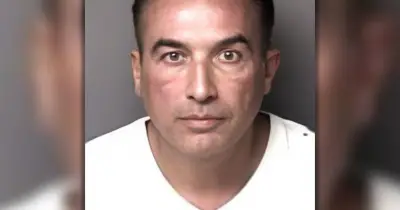
Otuorimuno Nelson Aziakpono, aged 58, and Ikegwuonu Davidson Ikechukwu, aged 28, were found guilty on multiple charges related to their illicit alcohol operation. The court determined that the defendants were responsible for producing, possessing, distributing, and selling adulterated and unregistered alcoholic beverages within Lagos State. Their criminal activities were uncovered during a coordinated enforcement operation conducted by the National Agency for Food and Drug Administration and Control (NAFDAC) on December 3, 2025.
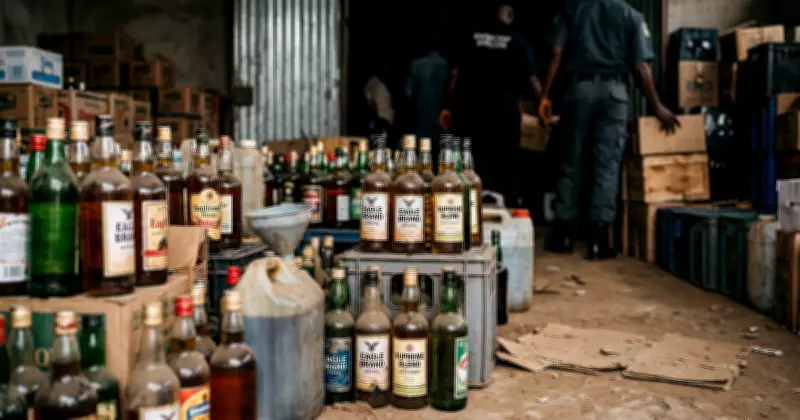
During the raid, NAFDAC officials targeted locations at Kojo Street in Ijanikin and Vespa Market, where they discovered substantial quantities of counterfeit alcoholic products. Among the seized items were fake versions of popular international brands including Hennessy cognac, Jameson Irish Whiskey, William Lawson's Scotch whisky, and Gordon's Gin. Authorities emphasized that these counterfeit drinks were not only deceptively packaged but also contained substances that made them completely unsuitable and dangerous for human consumption.
Legal Charges and Public Health Implications
The suspects faced eight separate counts in their indictment, which included:
- Possession of unwholesome and adulterated products
- Manufacturing of counterfeit alcoholic beverages
- Distribution and sale of fake alcoholic drinks
These charges represented violations of multiple Nigerian laws designed to protect consumers from harmful products. NAFDAC has reiterated its unwavering commitment to public safety, warning that adulterated alcoholic beverages present serious health hazards that can lead to organ damage, blindness, or even death. The agency has called upon the general public to remain vigilant and report any suspicious products to authorities, emphasizing that community cooperation is essential for effective enforcement.
Distillers Protest Nationwide Alcohol Ban
In a related development, the Distillers and Blenders Association of Nigeria is preparing to stage another protest against the nationwide prohibition of alcoholic beverages packaged in sachets and polyethylene terephthalate (PET) bottles smaller than 200 milliliters. Industry employees are expected to gather at NAFDAC's Oshodi office at 8:30 a.m. today, marking what will be the eighth such demonstration by distillers in 2026 alone.
The alcohol industry argues that this ban could result in massive job losses, potentially affecting as many as five million Nigerians employed directly or indirectly in the sector. Industry representatives contend that the prohibition will disproportionately impact small-scale producers and retailers while failing to address the root causes of alcohol abuse.
Government Justification for the Ban
The Federal Government has defended the measure, which was officially launched in Abuja on Tuesday through a collaborative effort involving the National Orientation Agency, NAFDAC, and the Federal Competition and Consumer Protection Commission. Government officials state that the primary objectives of the ban are to curb underage drinking and reduce harmful alcohol consumption patterns across the country.
The prohibition officially took effect on January 1, 2026, targeting the production, sale, and distribution of alcohol in sachets and bottles under 200ml capacity. NAFDAC remains firm in its enforcement stance, asserting that public cooperation is crucial to keeping dangerous, counterfeit products off the market while implementing the new regulations on alcohol packaging.
This dual development highlights the complex challenges facing Nigeria's regulatory authorities as they attempt to balance public health concerns with economic considerations while combating the persistent threat of counterfeit products in the marketplace.