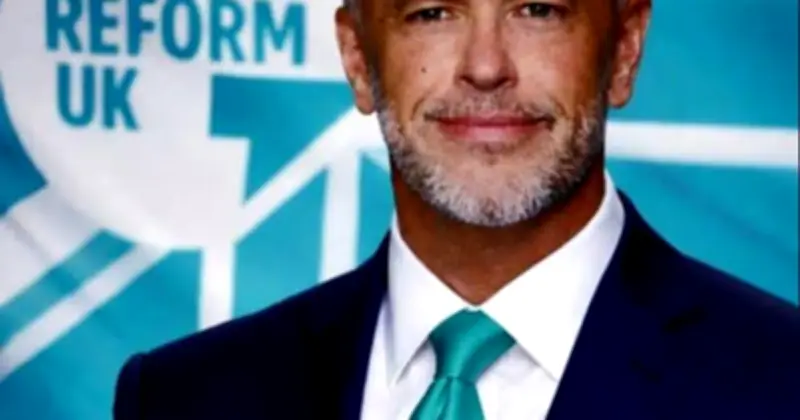
Glenn Gibbins, a 66-year-old Reform UK councillor representing Sunderland, has been charged under the Communications Act 2003 over an alleged social media post that proposed Nigerians be “melted down” and used to fill potholes. The charge, authorised by the Crown Prosecution Service (CPS), follows a police investigation by Northumbria Police after a report was received in May 2026.
Details of the Alleged Post and Legal Proceedings
The allegedly offensive post, made in 2024, reportedly read: “Can’t believe the amount of Nigerians in town … should melt them all down and fill in the potholes.” It resurfaced after Gibbins was elected to Sunderland City Council during the UK local elections in May 2026, prompting widespread condemnation and an internal party investigation.
Gibbins is scheduled to appear before South Tyneside Magistrates’ Court on 21 August 2026. Northumbria Police have urged the public to avoid speculating about the case while legal proceedings are ongoing. The charge does not amount to a finding of guilt; under the UK legal system, Gibbins remains presumed innocent unless proven guilty in court.
Political Reaction and Party Response
The case has reignited political criticism of Reform UK, the party Gibbins represents. Initially, the party suspended Gibbins after the comments came to light. However, reports indicate that he was later reinstated before the criminal charge was announced, drawing further scrutiny from political opponents.
The CPS authorised the charge after reviewing the file submitted by Northumbria Police. The Communications Act 2003 makes it an offence to send by means of a public electronic communications network a message that is grossly offensive or of an indecent, obscene or menacing character.
Broader Context of Offensive Speech and Accountability
This incident highlights ongoing debates about the boundaries of free speech and accountability for public officials in the UK. The alleged comment specifically targets the Nigerian community, a demographic present in Sunderland and across the UK. Community leaders and anti-racism groups have condemned the remarks, calling for greater vigilance against hate speech.
Gibbins, who was elected as a Reform UK candidate, now faces legal proceedings that could result in a fine or imprisonment if convicted. The outcome of the case may also influence his political future, as local councillors can be disqualified from office if sentenced to a term of imprisonment exceeding three months.
Next Steps in the Legal Process
The court hearing scheduled for August 21 will likely address the charge and set a timetable for further proceedings. Until then, the councillor retains his seat and the presumption of innocence. The CPS and Northumbria Police have emphasised that the investigation is thorough and that the charge is based on evidence.
This case serves as a reminder that social media posts, even those made years earlier, can have serious legal and professional consequences, particularly for elected officials. The UK's Communications Act provides a legal framework to address grossly offensive communications, and authorities have shown willingness to apply it in cases involving hate speech.