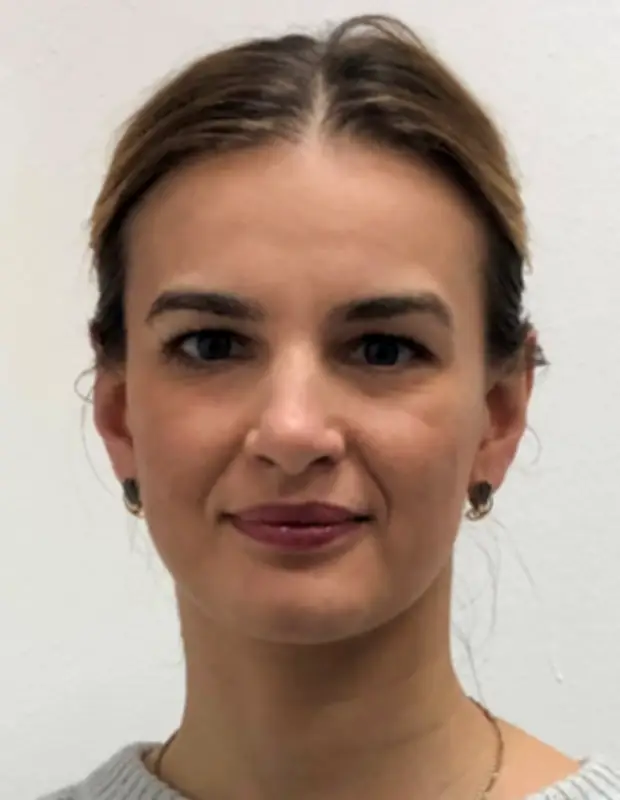
Svitlana, an 18-year-old Ukrainian girl, escaped her home village in the occupied Kherson region after three years of living under Russian control and attending a Russian school. Her story, documented by The Reckoning Project, highlights what legal experts describe as systematic indoctrination involving multiple human rights violations.
Life Under Occupation
When Russia launched its full-scale invasion on 24 February 2022, Svitlana was 14 years old. She woke to explosions and saw Russian tanks rolling past her house. Food and medicine vanished; people hid in cellars. The occupation authorities soon imposed Russian curricula, banned Ukrainian language and symbols, and forced children to sing the Russian anthem.
In September 2022, Svitlana returned to school to find Russian flags, a portrait of Vladimir Putin, and the Russian coat of arms. Teachers instructed students to memorize the Russian anthem. Svitlana and her classmates secretly sang the Ukrainian anthem instead, aware that discovery would bring punishment.
Propaganda and Militarization
The school held weekly patriotic lessons called “Lessons About What Matters” and “Russia, My Horizons.” Teachers praised Putin as “the world’s best president” and banned any mention of Ukraine, war, or occupation. Children were forced to wear St. George’s ribbons and participate in Russian patriotic events. Russian soldiers visited classrooms to teach weapon assembly and distribute leaflets encouraging enlistment at age 18.
A youth organization, “Movement of the First,” recruited children with promises of holiday camps. Boards displayed photos of Russian soldiers killed in Ukraine, and younger children wrote letters to them. Svitlana’s father, a Ukrainian soldier, went missing in action in 2023.
Persecution and Escape
In summer 2024, Russian soldiers searched Svitlana’s home, seized her grandfather’s hunting suit, and arrested him. He was held in a pit for eight days. Later, soldiers came for Svitlana after she liked a pro-Ukraine Facebook post. She avoided arrest but was threatened.
After finishing school in May 2025, Svitlana contacted the evacuation organization Save Ukraine. She bought a new phone, concocted a cover story about enrolling in a Russian university, and traveled through ruined Mariupol, Russia, and Belarus to reach Kyiv. The journey took ten days.
Indoctrination as a War Crime
The Reckoning Project’s legal team says indoctrination violates rights to education, freedom of thought, and identity. When systematic, it can amount to persecution. Over 750 testimonies from children have been collected. Psychologists note that children in occupied territories suffer psychological violence, loneliness, and confusion.
Russia began re-educating Ukrainian children after annexing Crimea in 2014. The International Criminal Court issued an arrest warrant for Putin in 2023 over child deportations. In January 2026, the Council of Europe condemned the Russification and militarization of Ukrainian children.
Svitlana’s New Life
Now in Kyiv, Svitlana studies interior design at university and lives in a dormitory. She avoids discussing occupation with new friends. She has completed drone pilot training and dreams of joining a military lyceum. She also hopes her missing father might still be alive. Above all, she longs to embrace her mother, who remains in occupied territory with her grandfather.
“I’m constantly afraid for my family,” Svitlana said. “But from the beginning I knew I would go to Kyiv.”