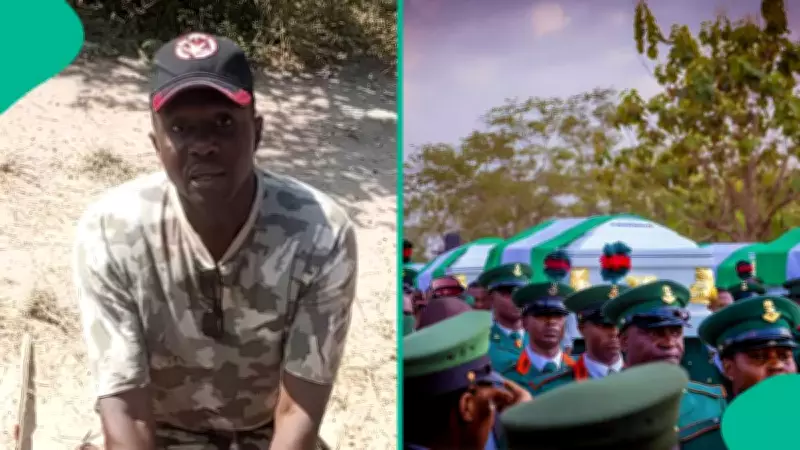
Despite significant growth in the information and communications technology (ICT) sector, communication challenges continue to undermine Nigeria's security architecture, experts have warned. The brutal killing of Brigadier General Musa Uba by Islamic State West Africa Province (ISWAP) terrorists in November 2025 serves as a stark reminder of these vulnerabilities.
Brigadier General Uba's Killing Highlights Security Weaknesses
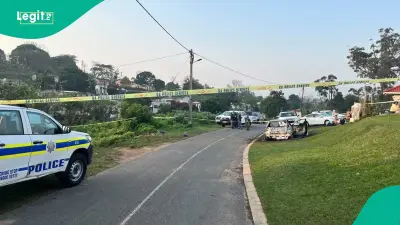
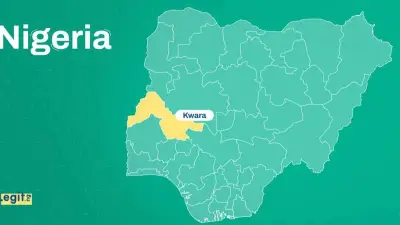
On November 14, 2025, ISWAP fighters ambushed a convoy of soldiers and Civilian Joint Task Force (CJFT) operatives along Damboa Road near Wajiroko village in Borno State. The attackers seized at least 17 military motorcycles and killed two CJFT operatives and two soldiers. General Uba was abducted and later executed.
According to the 2026 Global Terrorism Index, ISWAP and Boko Haram were responsible for about 80% of terrorism-related deaths in Nigeria in 2025, with ISWAP alone causing approximately 384 fatalities, making it the deadliest group in the country.
Communication Breakdowns Exposed
Security analyst Adam Sulaiman Akorede noted that unprotected communications and weak digital security expose sensitive missions to interception. He stated, "Though digital links run everything, old habits linger, like using everyday networks for secret moves across war zones. Risks pile up when codes fail, or eavesdroppers listen in at weak points."
ISWAP elements publicly shared screenshots of General Uba's WhatsApp conversations in their propaganda newspaper, Al-Naba, highlighting the dangers of unsecured communication channels used by military personnel.
Technological Lag in Counter-Terrorism
Timothy Avele, managing director of Agent-X Security Limited, pointed out that terrorists are increasingly leveraging dark web tools, open-source intelligence, and locally developed attack drones. He warned that unless security agencies adopt advanced technologies, "we may be heading to a point of no return, and Abuja may not be safe for long."
Avele identified several challenges hindering the adoption of ICT tools by Nigerian security agencies, including high costs, foreign suppliers refusing to sell to Nigeria, and an institutional reluctance to embrace innovation. He recommended using locally built tools and organizing a national tech wizard week focused on security and defense solutions.
Experts Call for ICT-Driven Security Strategy
Security expert Olaopa Dare emphasized the need for a multi-layered, ICT-driven security strategy. He stated, "There is an urgent need for novel strategies to curb the menace of disturbing insecurity. The use of real-time communication tracking and surveillance is a central component in modern counter-terrorism strategies, and Nigeria must embrace it wholly."
Dare highlighted the importance of technologies such as artificial intelligence and advanced cellular interception to detect and prevent terrorist activities. He concluded, "These technologies allow security agencies to identify threats, locate suspects, and provide protection during active incidents. We really need to up our game."