Ethiopia Landslide Tragedy: 50 Dead, 125 Missing as Heavy Rains Trigger Devastation
Catastrophic landslides triggered by days of torrential rainfall have devastated communities in southern Ethiopia, leaving at least 50 people dead and 125 others missing, according to regional authorities. The disaster struck three districts within the Gamo Zone after a week of sustained downpours weakened hillsides and caused massive volumes of earth to collapse onto nearby settlements.
Rescue Operations Amid Grim Conditions
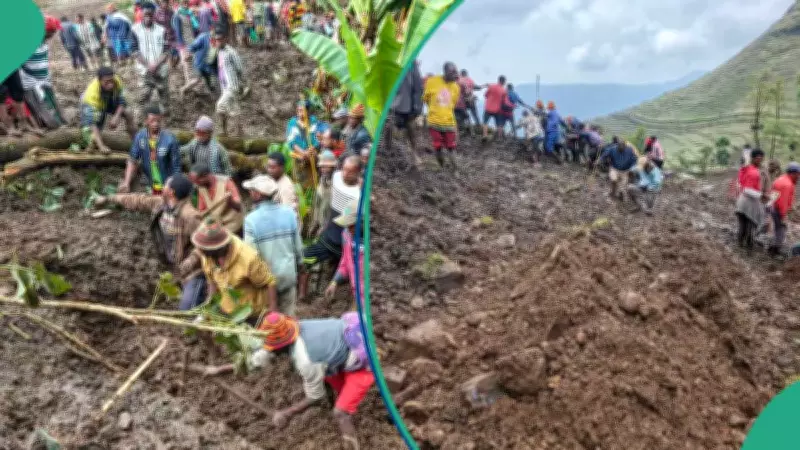
Emergency response teams were immediately deployed to the affected areas of Gacho Baba, Kamba, and Bonke districts as desperate families searched for relatives feared trapped beneath thick layers of mud. Mesfin Manuqa, the Gamo Zone director of disaster response, confirmed that rescue workers managed to pull one person out alive from the debris during ongoing operations.
Search teams have been working against time, using basic tools to dig through difficult terrain where entire structures were overwhelmed by the landslides. Abebe Agena, the communication chief of Gacho Baba District, reported that many victims were found buried inside their homes, with the full scale of destruction remaining unclear as officials continue assessing how many households were affected.
Authorities Issue Urgent Warnings
Tilahun Kebede, president of the South Ethiopia Regional State, expressed deep sorrow over the tragedy and warned residents that further disasters could occur as rains persist. He urgently called on people living in highland and flood-prone areas to relocate temporarily to safer ground.
"Given that it is the rainy season and these types of disasters could happen again, I am calling on communities living in the highlands and flood-prone areas to take the necessary precautions," Kebede stated during a briefing on the emergency situation.
Recurring Natural Disaster Challenges
Seasonal rains frequently bring flooding and landslides to several parts of Ethiopia, particularly in rural regions where homes are built on unstable slopes. Poor drainage systems and deforestation have significantly worsened the impact of extreme weather events in recent years, creating increasingly dangerous conditions for vulnerable communities.
The latest tragedy revives painful memories of a major mudslide in July 2024 that killed 229 people in southern Ethiopia after prolonged rainfall. That disaster prompted renewed calls for stronger early warning systems and better land management practices—concerns that have resurfaced as authorities grapple with the current emergency.
Ongoing Search Efforts
Search and rescue operations were continuing as of Thursday, with officials warning that casualty figures could rise as more remote areas are reached. The difficult terrain and persistent rainfall have complicated recovery efforts, creating challenging conditions for both professional rescue teams and community volunteers.
Regional authorities have mobilized additional resources to support the affected districts, while national disaster response agencies monitor the situation closely. The tragedy highlights the urgent need for improved infrastructure, early warning systems, and community preparedness measures in Ethiopia's most vulnerable regions.