Kenya Flooding Death Toll Climbs to 62 Amid Unrelenting Heavy Rains
At least 62 people have lost their lives in Kenya over the past week due to severe flooding triggered by intense rainfall, according to official reports. This marks a significant increase from the previous death toll of 42 announced just a week ago, highlighting the escalating crisis as heavy rains continue to batter the country.
Rescue Efforts and Widespread Damage in Nairobi
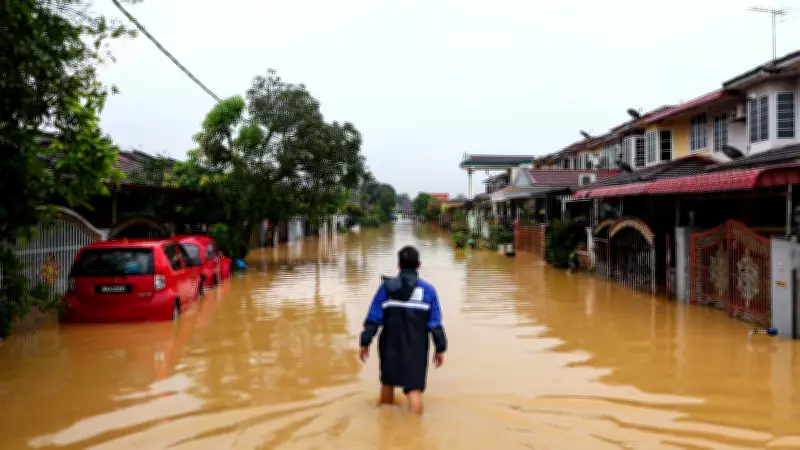
In the capital city of Nairobi, emergency services have been working tirelessly to save lives. Overnight, the Kenya Red Cross rescued 11 individuals after a matatu minibus taxi became trapped in rising floodwaters. Additionally, two children were saved from a flooded house, underscoring the perilous conditions faced by residents. The heavy rainfall has led to flash floods, with rivers overflowing their banks, inundating homes, and damaging critical infrastructure such as roads, power lines, and water supply systems.
Several roads in Nairobi have been closed following bridge damage, and some schools were flooded after a downpour on Saturday, disrupting daily life and education. The interior ministry has issued warnings that various parts of Kenya are still experiencing heavy rains, which heightens the risk of further flooding. Authorities have urged residents in low-lying areas to relocate to safer ground, with more than 2,000 people forced to abandon their homes and seek shelter elsewhere.
Search-and-Rescue Operations and Infrastructure Failures
Police have confirmed that search-and-rescue operations are ongoing across the country in response to the torrential rain and devastating floods. More than half of the fatalities, specifically 33 deaths, have occurred in Nairobi, where poor drainage systems and unregulated development obstructing rivers and waterways have been identified as major contributing factors.
Residents in affected areas have voiced their frustrations. Kareem Hassan Ali, a businessman living in Nairobi's Parklands area, described how approximately 2 meters of water accumulated outside his apartment block on Saturday night, though levels have since subsided. While his flat remained dry, cars in the underground parking were submerged. Another resident, auditor Deenesh Patel, spent the night at a friend's house after heeding flood warnings, stating, "I saw the warning and didn't want to take any risks."
Both men have called on officials to take more decisive action to improve drainage and halt construction that blocks natural watercourses. Patel emphasized, "The rain was heavy but this happens each year. Other low-lying areas were not affected because they have the proper infrastructure."
Government Response and Regional Impact
President William Ruto announced that authorities are working to clear blocked drainage systems, but Ali reported no visible efforts in Parklands, where residents' associations have taken matters into their own hands to remove debris. Ruto also stated that emergency food supplies and medical assistance are being delivered to those impacted by the floods.
The flooding crisis extends beyond Kenya's borders. In neighbouring Ethiopia, more than 100 people have been killed due to floods and landslides in the southern region, indicating a broader regional weather pattern. Experts note that while multiple factors contribute to flooding, climate change plays a significant role by warming the atmosphere and increasing the likelihood of extreme rainfall events. Since the industrial era began, global temperatures have risen by about 1.1°C, and without substantial emissions cuts by governments worldwide, this trend is expected to continue, exacerbating such disasters.