Key stakeholders from across West Africa have issued a powerful call for immediate, coordinated, and intelligence-led measures to tackle the scourge of human trafficking and transnational organised crime. The urgent appeal was made during a major regional forum held in Lagos, Nigeria, focusing on the intersection of women, organised crime, and trafficking risks.
A Crime That Undermines Development and Stability
The forum, jointly organised by the Inter-Governmental Action Group Against Money Laundering in West Africa (GIABA) and the ECOWAS Gender Development Centre (EGDC), brought together a high-level assembly of policymakers, financial intelligence experts, gender specialists, law enforcement agencies, civil society groups, and international development partners.
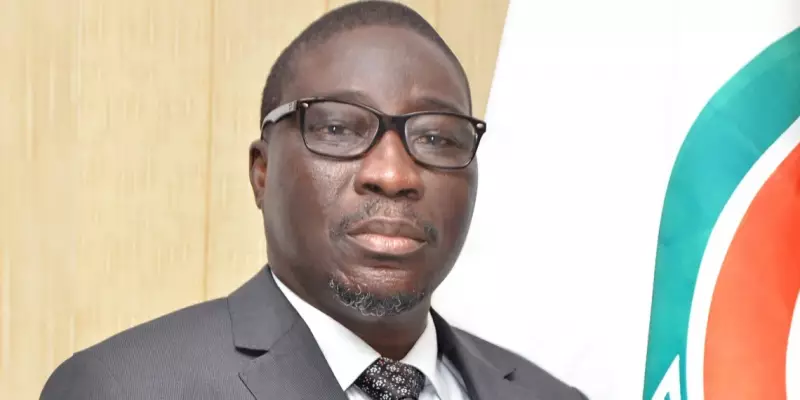
In his opening address, the Director-General of GIABA, Mr. Edwin Harris Jr., characterised human trafficking as a pervasive and constantly evolving criminal enterprise. He warned that it actively undermines socio-economic development, erodes fundamental human rights, fuels illicit economies, and poses a direct threat to regional stability.
Harris presented stark data, citing figures from the United Nations Office on Drugs and Crime (UNODC). He revealed that children constitute over 75% of trafficking victims in West Africa, a region he described as one of the most severely impacted globally by trafficking in persons, child labour, and modern slavery. He further referenced International Labour Organisation assessments confirming that West Africa bears a disproportionately large burden of forced labour and related exploitation.
"These are not just statistics; they represent thousands of lives, often children, stolen from a future of dignity and opportunity," Harris stated emphatically.
The Lucrative Financial Trail of Exploitation
Highlighting the economic drivers of the crime, the Director and Chief Executive Officer of the Nigerian Financial Intelligence Unit (NFIU), who also serves as GIABA's National Correspondent, Ms. Hafsat Abubakar Bakari, addressed the gathering. She identified the financial dimension of human trafficking as one of the world's most profitable forms of transnational organised crime.
Bakari disclosed that human trafficking and forced labour generate colossal illicit profits exceeding $150 billion annually. She added that women and girls are the primary victims, accounting for more than 60% of cases worldwide.
"Behind every trafficking victim lies a financial trail," Bakari explained. She detailed how the proceeds from recruitment, transportation, and exploitation are laundered through various channels, including formal banking systems, mobile money platforms, informal value transfer systems, and increasingly, digital payment channels.
She underscored the critical role of the NFIU in this fight, which involves analysing complex financial data, disseminating actionable intelligence, and collaborating closely with agencies like the National Agency for the Prohibition of Trafficking in Persons (NAPTIP), other law enforcement bodies, and international partners to identify criminal networks, trace their assets, and ultimately disrupt their financial flows.
Call for Cross-Border Collaboration and Empowerment
Both speakers unanimously agreed that the multifaceted nature of human trafficking means it cannot be effectively addressed by any single entity or country working in isolation. They stressed that success hinges on robust multi-stakeholder engagement and seamless cross-border cooperation.
The forum identified several root causes that traffickers exploit, including:
- Widespread poverty and limited economic opportunities.
- Entrenched gender inequality.
- Conflict and displacement.
- Porous borders and weak institutional capacity.
- The growing sophistication of organised criminal networks.
Harris emphasised the strategic necessity for collaboration between GIABA and the EGDC. This partnership aims to simultaneously strengthen anti-money laundering and counter-financing of terrorism frameworks while addressing the underlying social and gender-based vulnerabilities that make individuals easy targets for traffickers.
The conclave ended with a strong, pragmatic urging for all participants to prioritise preventive measures and focus on empowering communities as a fundamental strategy to dismantle the foundations upon which human trafficking thrives.