Sexual Assault Awareness Month: A Critical Focus on Nigeria's Response
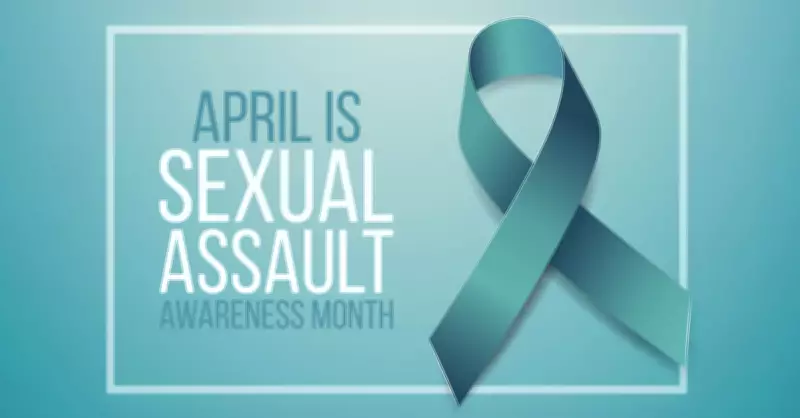
April is globally recognized as Sexual Assault Awareness Month, a dedicated period to highlight a crime that remains alarmingly underreported despite its widespread occurrence. In Nigeria, data from the Lagos State Domestic and Sexual Violence Agency reveals thousands of reported cases over recent years, yet countless more incidents go unrecorded due to deep-seated stigma, pervasive fear, and a profound lack of trust in institutional systems. Across diverse communities, survivors often choose silence over engaging with processes they perceive as potentially exposing them to blame, social stigma, procedural delays, or outright disbelief. While ongoing awareness campaigns strive to shift this narrative, a pressing question persists: what immediate steps should be taken when sexual assault occurs or when someone is at imminent risk?
Immediate Actions for Survivors: Prioritizing Safety and Support
The foremost priority in the aftermath of sexual assault is ensuring personal safety. This involves leaving the environment where the incident took place as swiftly as possible to reduce further harm. Seeking prompt medical attention is absolutely crucial; health professionals can provide essential treatment to prevent infections, address injuries, and meticulously document forensic evidence that may prove vital for any future legal proceedings. Numerous healthcare facilities across Nigeria offer free medical care, confidential counselling, and specialized forensic support tailored to survivors' needs.
Reaching out to a trusted individual—whether a close friend, family member, or professional counsellor—can significantly impact the recovery journey. Many survivors delay seeking help due to feelings of isolation or fear of judgment, but early emotional support profoundly shapes both the healing process and access to justice. Reporting the incident to authorities is an available option, though it is not always straightforward. Survivors can approach agencies such as the Lagos State Domestic and Sexual Violence Agency, which provides comprehensive guidance, legal assistance, and referrals to other support services.
Guidance for Witnesses and Confidants
If you witness a sexual assault, direct intervention is generally not advised, especially in situations where there is a tangible threat of violence. In such cases, prioritizing your own safety is paramount. Witnesses can assist by alerting authorities discreetly, drawing attention to the situation to deter the perpetrator, or seeking help from others nearby. Even when immediate action is not feasible, reporting the incident afterwards can play a critical role in preventing further harm and aiding investigations.
When someone confides in you about experiencing sexual assault, your response can determine whether they pursue further help or retreat into silence. Listening without blame or judgment is essential; avoid questioning their actions or suggesting alternative behaviors. Instead, focus on offering unwavering support and helping them explore available options, including professional services. Organizations like Women at Risk International Foundation (WARIF) provide counselling, medical care, and advocacy, assisting survivors in navigating both emotional recovery and complex legal processes.
Accessing Support Services Across Nigeria
Support services for sexual assault survivors exist in Nigeria, but access varies widely across the country. In Lagos, the Lagos State Domestic and Sexual Violence Agency coordinates response efforts, connects survivors to care, and collaborates with law enforcement to ensure a holistic approach. Established centers like the Mirabel Centre remain among the most prominent facilities, offering comprehensive support including medical, legal, and psychological services. Beyond Lagos, however, such structured systems are less visible or harder to access. While some states have gender desks or partner organizations, survivors often encounter longer delays and fewer resources, highlighting a persistent gap between policy intentions and practical reality.
Legal Frameworks and Broader Awareness
Nigeria's Violence Against Persons (Prohibition) Act criminalizes various forms of sexual violence and provides a legal framework for prosecution and victim protection. This legislation recognizes that sexual assault can affect anyone, regardless of gender, and outlines stringent penalties for offenders to deter such crimes. Beyond awareness, it is vital to acknowledge that sexual assault is often framed as a women's issue, but men and boys are also significantly affected, frequently facing even greater stigma when they come forward. Expanding the conversation to include all survivors is essential for building a more inclusive and responsive support system.
As April's awareness campaigns continue, the disparity between knowledge and actionable steps remains a critical concern. Knowing what to do and where to seek help can make a profound difference, but the broader challenge lies in ensuring that systems designed to support survivors are accessible, responsive, and trustworthy across all regions of Nigeria.